
Benefits of video for beat licensing: 2026 guide
Discover the benefits of video for beat licensing in our 2026 guide. Boost sales, enhance trust, and reduce copyright issues. Learn more!
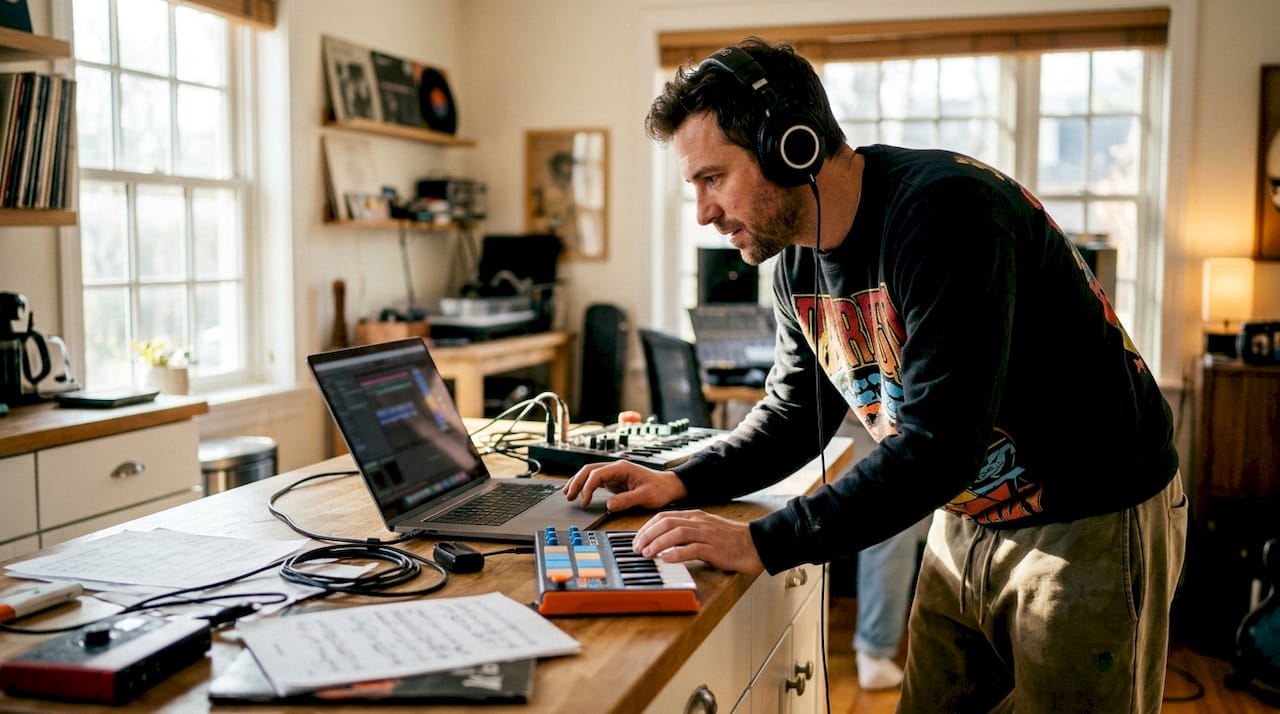
Benefits of video for beat licensing: 2026 guide
TL;DR:
- Video helps music producers increase beat sales and licensing success by demonstrating sound in context, building trust, and reducing copyright disputes. Using short, prominent videos with verifiable licenses improves conversions, discoverability, and legal clarity across platforms like YouTube. Producers can effectively promote their beats with minimal resources by leveraging quick video creation tools and strategic placement.
Video is the single most effective tool a music producer can use to increase beat sales and protect licensing rights simultaneously. The benefits of video for beat licensing extend well beyond aesthetics. Video builds buyer trust, improves discoverability on platforms like YouTube, and creates a paper trail that reduces copyright disputes. Adding video to landing pages can increase conversion rates by up to 86%. That figure alone should change how you think about promoting your beats.
1. How video boosts beat sales and licensing conversion rates
Video is the most direct lever producers have for increasing beat sales. 83% of marketers report that video directly increases sales revenue. That is not a marginal gain. It reflects a fundamental shift in how buyers make decisions when they can see and hear a beat in context.

Video simulates how a beat sounds over a track, in a scene, or beneath a vocal. This is the core mechanism behind its power. Video reduces buyer uncertainty by replicating the end-use experience, which breaks the common cycle of purchasing, feeling surprised by the product, and requesting a refund. For digital assets like beats, that cycle is expensive and damaging to your reputation.
Placement matters as much as content. Replacing a static image with a short muted autoplay video drives a median conversion lift of 22%. Placing the same video below the fold drops that lift to just 6%. The lesson is clear: your beat video belongs at the top of the page, not buried beneath text.
- Keep demo videos between 10 and 30 seconds for maximum engagement
- Pair clear audio with minimal visual distraction so the beat remains the focus
- Use autoplay where the platform allows, but keep it muted by default
- Show the beat in a realistic context, such as beneath a vocal or in a short scene
Pro Tip: Pair your beat demo video with a written description of the mood, tempo, and genre. Buyers who can read and hear the beat simultaneously are far more likely to complete a purchase.
2. Video marketing strategies that increase beat licensing visibility
YouTube is not just a video platform. It functions as the second largest search engine in the world, and it is the primary marketing funnel for beat licensing. YouTube requires video uploads rather than audio, which means producers who skip video content are invisible on the platform entirely. Pairing your beats with high-quality visuals is not optional if you want to compete.
A consistent upload schedule builds algorithmic favour on YouTube. Channels that upload regularly signal reliability to the platform, which rewards them with better placement in search results and recommendations. Branding matters too. A consistent visual identity across thumbnails, intros, and channel art makes your catalogue look professional and trustworthy to potential licensees.
- Research keywords buyers use, such as “trap beat for sale” or “cinematic hip-hop instrumental,” and include them in your video titles, descriptions, and tags
- Create a consistent thumbnail style so your videos are instantly recognisable in search results
- Upload beats as long-form videos with timestamps for different sections of the track
- Use end screens and cards to direct viewers to your licensing page or beat store
- Build playlists by genre or mood to increase session watch time and improve channel authority
- Publish evergreen content, such as “how to use this beat” tutorials, that continues attracting views for months after upload
Short-form video content also plays a growing role in music promotion. Clips shared across social platforms drive traffic back to your full beat catalogue on YouTube or your licensing page. The two formats work together rather than in competition.
3. How video improves legal clarity and reduces copyright risks
Copyright disputes are a real and growing problem for producers who use video. 56% of brands experienced copyright or takedown issues in the last 24 months. That figure reflects how frequently video content triggers automated claims, even when the creator holds a valid licence.
YouTube’s Content ID system is the most common source of confusion. It scans uploaded videos for registered audio and can automatically claim or mute content, even if the uploader has purchased a legitimate beat licence. This creates problems for buyers who have paid for a licence but cannot prove it quickly enough to resolve a claim.
- Provide buyers with a verifiable PDF licence certificate alongside every beat purchase
- Include your producer name, the beat title, the licence type, and the permitted uses in the certificate
- Register your beats with a performing rights organisation such as PRS for Music or ASCAP to create an official ownership record
- Avoid using unlicensed samples in beats you sell, as this creates downstream liability for your buyers
Providing verifiable PDF licence certificates is an industry standard that protects both producers and buyers from disputes. A buyer who can upload a PDF to a Content ID dispute form resolves the issue in hours rather than weeks.
A common misconception is that short video clips are exempt from licensing requirements. Short clips are not exempt from licensing, and relying on that assumption creates serious legal exposure as your content scales across platforms. Clear documentation is the only reliable protection.
Pro Tip: Include a direct link to your licensing terms in every video description. Buyers who find your beat through YouTube should be able to read the licence conditions before they purchase, not after.
4. Creative video content ideas that showcase beats and attract licensing
Demo videos are the foundation of any beat promotion strategy. A well-produced demo shows the beat’s structure, its emotional tone, and how it responds to different vocal styles or sound effects. Music supervisors and content creators make faster decisions when they can hear a beat in a realistic context rather than listening to a raw audio file.
Behind-the-scenes videos build a different kind of trust. Showing your production process, your equipment, or your creative decisions gives buyers insight into the craft behind the beat. This type of content attracts a loyal audience of producers and artists who return to your catalogue repeatedly.
- Create mood-specific demo videos that pair your beat with matching visuals, such as urban footage for a trap beat or landscape shots for an ambient instrumental
- Film short “producer breakdown” videos explaining the key elements of a beat, such as the drum pattern, the melody, or the sample source
- Collaborate with vocalists or rappers to create full song demos that show the beat’s commercial potential
- Use narrative-driven visuals to signal the genres and placements your beat suits, such as sports, drama, or documentary
Pairing beats with visual media signals placement readiness to music supervisors and clients. Sync licensing is one of the most lucrative passive income streams available to producers, and video is the primary tool for communicating that your catalogue is ready for placement. A music supervisor who can watch a beat in context makes a placement decision far faster than one who has to imagine it.
Creative video content ideas for producers extend well beyond simple demos. Tutorials, reaction videos, and genre-specific showcases all attract different segments of the audience that might eventually licence your work.
5. Video reduces buyer uncertainty and return rates
Buyer uncertainty is the primary reason digital asset sales fail to convert. A producer who hears a beat in a low-quality preview clip cannot accurately judge how it will sound in their project. Video solves this by providing a richer, more accurate representation of the product.
Video content reduces return rates by 8–14 percentage points by setting clearer expectations before purchase. For beat licensing, this means fewer disputes, fewer refund requests, and a cleaner relationship between producer and buyer. That reduction in friction has a direct impact on your reputation and your revenue.
Companies using video in sales strategies grow revenue 49% faster and generate leads 400% more effectively than those relying on text alone. For independent producers competing against large catalogues, that gap in performance is the difference between building a sustainable business and struggling to make consistent sales.
The practical implication is straightforward. Every beat in your catalogue deserves a video. Not a polished film production, but a clear, honest representation of what the beat sounds like and how it can be used. That is the minimum standard for competing effectively in 2026.
Key takeaways
Video drives beat licensing success by combining higher conversion rates, stronger discoverability, and clearer legal documentation into a single promotional asset.
| Point | Details |
|---|---|
| Video lifts conversions | Placing a short autoplay video above the fold increases conversions by up to 22%. |
| Legal documentation matters | PDF licence certificates prevent Content ID disputes and protect both producers and buyers. |
| YouTube requires video | Producers without video content are invisible on the world’s second largest search engine. |
| Sync licensing needs visuals | Pairing beats with video signals placement readiness to music supervisors and clients. |
| Return rates fall with video | Clear video previews reduce buyer uncertainty and cut return rates by 8–14 percentage points. |
Why video changed how I think about beat licensing
The producers I see struggling most are the ones treating their beat store like a digital filing cabinet. They upload audio, write a title, and wait. Video changed my understanding of what selling beats actually requires.
The most important shift is recognising that a buyer cannot hear potential. They can only hear what you show them. A beat that sounds generic in a raw audio preview can sound extraordinary when paired with the right visual context. Video does not just market the beat. It teaches the buyer how to imagine using it.
The legal side surprised me most. I assumed that having a licence agreement was enough. Content ID does not care about your agreement. It cares about what it can verify automatically. Producers who provide PDF certificates and register their work with bodies like PRS for Music are not being overly cautious. They are operating at the standard the industry now requires.
The producers winning in sync licensing are not necessarily the ones with the best beats. They are the ones whose catalogues look and feel ready for placement. Music video content that communicates mood, genre, and context gives supervisors the confidence to make fast decisions. That confidence is worth more than any single beat.
— Music
How Musicvideomarketplace supports your beat licensing strategy
Musicvideomarketplace enables producers to create a long-form video in minutes and launch a YouTube ad campaign for their beat without needing a film crew or editing experience.

For producers who understand the advantages of video for beat sales but lack the time or resources to produce content consistently, Musicvideomarketplace removes that barrier entirely. You upload your beat, the platform generates a professional video, and you publish directly to YouTube with a targeted ad campaign attached. That combination of video creation and promotion puts your beats in front of the right buyers faster than any other method available to independent producers today.
FAQ
Does video really increase beat sales?
Video increases conversions by up to 86% on landing pages, and 83% of marketers report direct sales growth from video. For beat licensing specifically, video reduces buyer uncertainty by demonstrating how a beat sounds in context.
What type of video works best for promoting beats?
Short demo videos of 10–30 seconds placed prominently on your beat store or YouTube channel perform best. Pairing the beat with matching visuals and a clear audio mix gives buyers the most accurate preview.
How does video help with copyright and licensing disputes?
Providing a verifiable PDF licence certificate alongside your beat video gives buyers proof of purchase they can submit to resolve Content ID claims quickly. Short clips are not exempt from licensing, so clear documentation is the only reliable protection.
Can video help me get sync licensing placements?
Pairing beats with visual media signals placement readiness to music supervisors, making it significantly easier to attract sync licensing opportunities and passive income from film, television, and advertising placements.
Do I need professional video production to compete?
No. A clear, well-lit demo video that accurately represents your beat’s mood and structure is sufficient. Musicvideomarketplace allows producers to generate professional videos in minutes without specialist equipment or editing skills.
Recommended
- Understanding copyright in music videos: a 2026 guide | Music Video Marketplace Blog
- Notions de droits d’auteur vidéo : guide 2026 | Music Video Marketplace Blog
- Creative video content ideas for producers: boost music promotion | Music Video Marketplace Blog
- Why use long form video for DJs: 2026 guide | Music Video Marketplace Blog
Read next
 Best Music Videos Of 20252025 was a year of unforgettable music videos. From high-energy club vibes to emotional storytelling, these top 10 videos show how artists are pushing creativity — and now you can get professional videos for your own music instantly.
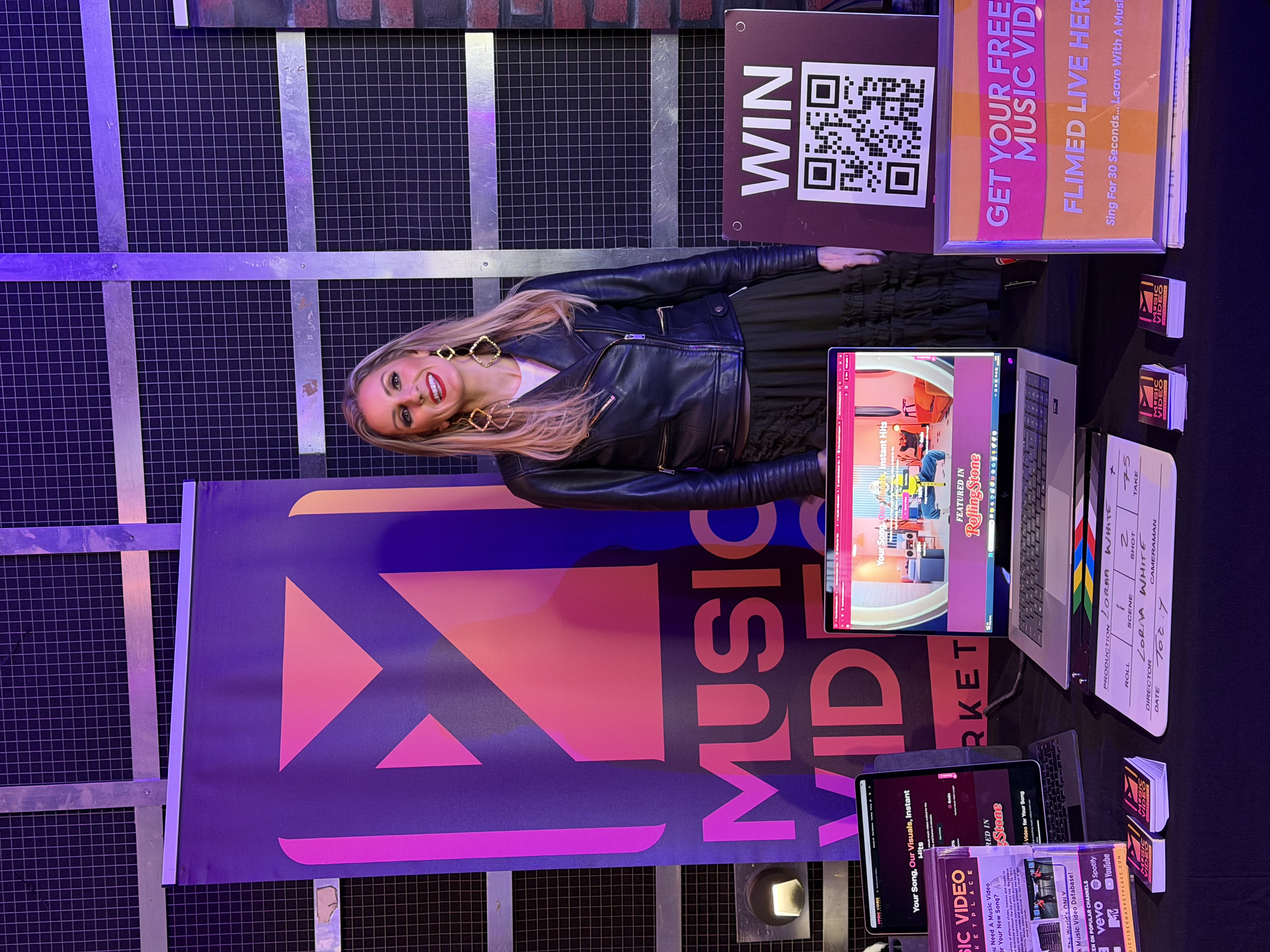 Creator-First Music Videos at DITTO X LondonLoraa White and Music Video Marketplace attended DITTO X London with an interactive stand and music video pop-up, connecting directly with musicians and showcasing professional, human-made music videos.
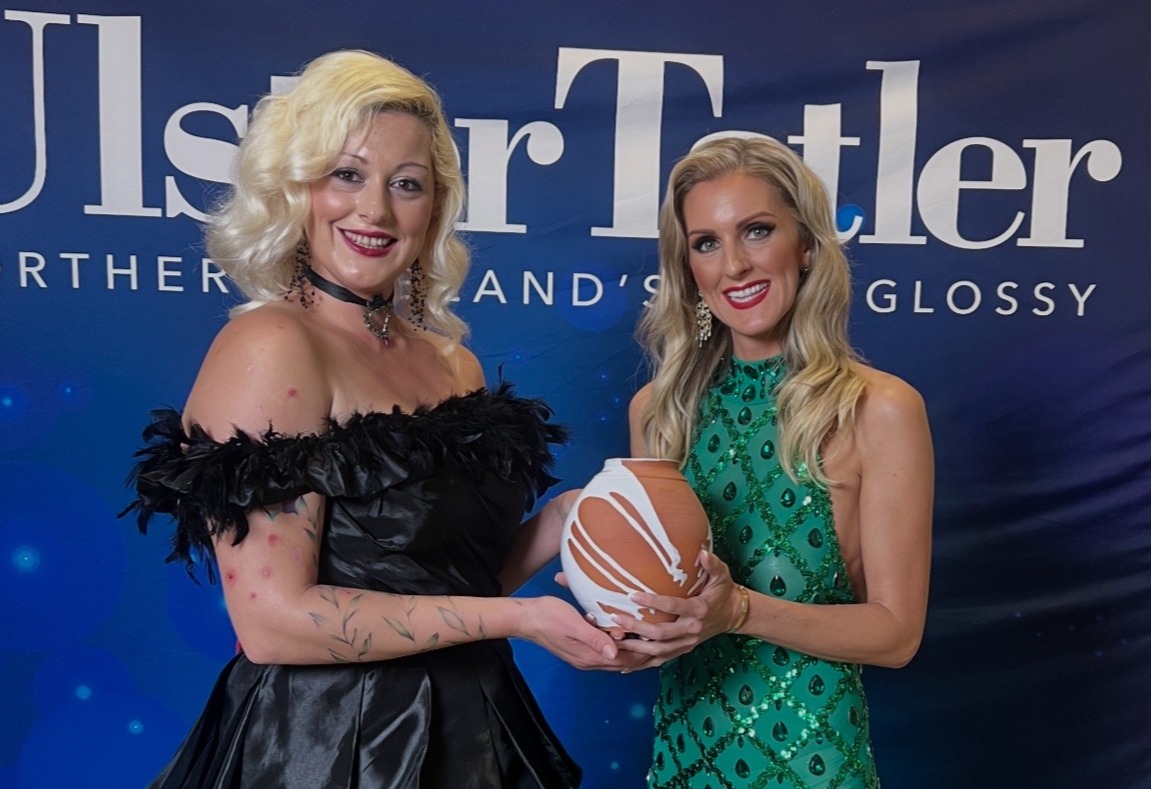 Loraa White Wins Business Woman of the YearLoraa White, founder of Music Video Marketplace (MVM), wins Business Woman of the Year at the Ulster Tatler Awards for her creativity, leadership, and dedication to empowering musicians through film and innovation.
 Benefits of video for artist acquisition: 2026 guideDiscover the benefits of video for artist acquisition. Learn how video transforms listeners into loyal fans and boosts engagement.
Turn the idea into a finished music video.
Drop your track into the Studio and build your visual in minutes.