
Best practices for song promotion in 2026
Unlock the best practices for song promotion in 2026. Discover actionable steps to boost your release and reach your audience effectively!
Best practices for song promotion in 2026
TL;DR:
- Effective music promotion requires strategic planning of a 4-6 week campaign prior to release, focusing on content batching and timely playlist pitches. Engaging short-form videos tailored to hooks and audience data are crucial for discovery, while building a consistent owned audience through email enhances long-term reach. Collaborating with the right artists and tracking key listener behaviors optimize campaign success beyond vanity metrics.
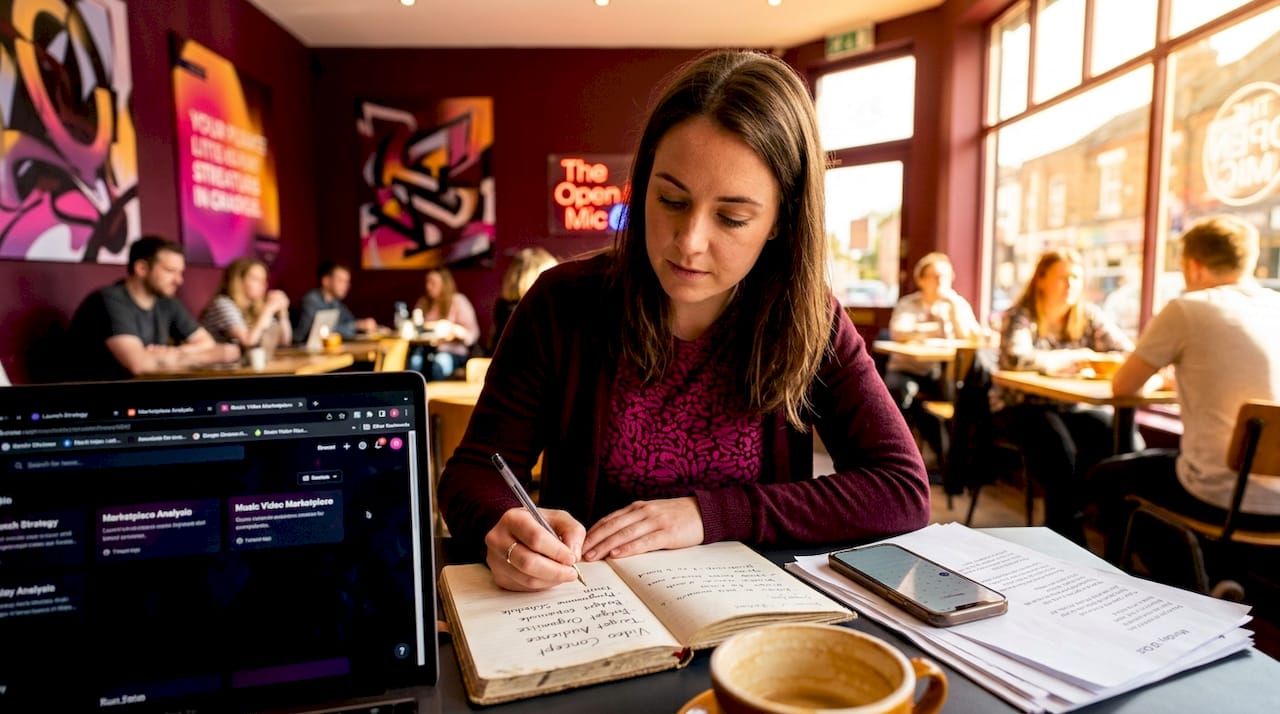
You release a track, share it once on Instagram, and wait. Nothing happens. That experience is familiar to almost every independent musician, and it has nothing to do with the quality of the music. The best practices for song promotion are not instinctive. They are learnable, repeatable systems that the most visible independent artists apply consistently. This article breaks those systems down into specific, practical steps you can act on immediately, from campaign timing to playlist pitching to short-form video strategy, so your next release gets the attention it deserves.
Table of Contents
- Key takeaways
- 1. The best practices for song promotion start with a campaign plan
- 2. Pitch Spotify and Apple Music editorial playlists properly
- 3. Short-form video is your primary discovery engine
- 4. Build an email list and talk to it regularly
- 5. Collaborate with artists whose audience overlaps yours
- 6. Track the right metrics and adjust accordingly
- My honest take on what actually moves the needle
- Take your next release further with Musicvideomarketplace
- FAQ
Key takeaways
| Point | Details |
|---|---|
| Start early, not late | Build your campaign 4 to 6 weeks before release to maximise traction across all channels. |
| Pitch with precision | Spotify editorial pitches submitted 2 to 4 weeks out with specific mood and genre context perform significantly better. |
| Own your audience | Email and SMS lists give you direct access to fans that no algorithm can take away. |
| Use short-form video as a test bed | Post clips regularly and study retention data to learn which hooks actually work. |
| Collaborate with purpose | Partnerships that share similar audiences convert far better than random features or shout-outs. |
1. The best practices for song promotion start with a campaign plan
Most releases fail at promotion before the song even goes live. The reason is simple: no plan. Successful promotion campaigns span approximately 4 to 6 weeks pre-release plus 2 to 4 weeks post-release for sustainment, with a recommended 60-day campaign mindset and 10 to 15 promotional assets prepared in advance.
A campaign plan means deciding, before release day, exactly what you will post, where, and when. That includes teaser clips, behind-the-scenes footage, lyric reveals, personal stories, and clear calls to action directing listeners to pre-save or stream.
Pro Tip: Batch-create your content in a single day each week rather than scrambling to post something new every morning. Burnout is the most common reason independent artists go quiet mid-campaign, right when momentum matters most.
Think of your release window the way a film studio treats a premiere. The trailer comes first, then the press, then the opening weekend push, then sustained word-of-mouth. Your music deserves the same structure.
2. Pitch Spotify and Apple Music editorial playlists properly
Landing on an editorial playlist can multiply your streams overnight. But most artists either pitch too late or pitch with language that makes editors’ jobs harder. Spotify editorial pitches are best submitted 2 to 4 weeks before release, with acceptance rates notably higher when submitted 31 to 40 days early.
Here is what a strong pitch includes:
- Genre and subgenre tags chosen with precision, not aspiration. Do not tag your bedroom pop track as mainstream pop hoping for bigger numbers.
- Mood descriptors that reflect what the song actually sounds like. Words like “melancholic”, “euphoric”, or “late-night drive” help editors place your song quickly.
- A story context of 500 characters or fewer explaining the song’s inspiration, emotional core, or unique sound reference.
- Sonic comparisons to familiar artists or records, framed as reference points rather than claims about your own status.
Pitch writing quality should avoid vague terms and marketing fluff entirely. Editors are categorising dozens of submissions. Concrete musical facts help them say yes faster.
Apple Music pitching follows similar logic. Submit through your distributor’s editorial pitch tool, include accurate metadata, and focus on the same mood and context language. Both platforms reward specificity.
Pro Tip: Treat your pitching window as a fixed project with a deadline in your calendar. Metadata errors such as wrong release dates or misspelled artist names can silently remove you from consideration before an editor even reads your pitch.
3. Short-form video is your primary discovery engine
No single channel generates more first-time listeners for independent artists right now than short-form video. TikTok and Instagram Reels are the primary discovery engines for music in 2026, with optimal clip lengths running from 5 to 15 seconds for teasers up to 15 to 30 seconds for hook-driven content.
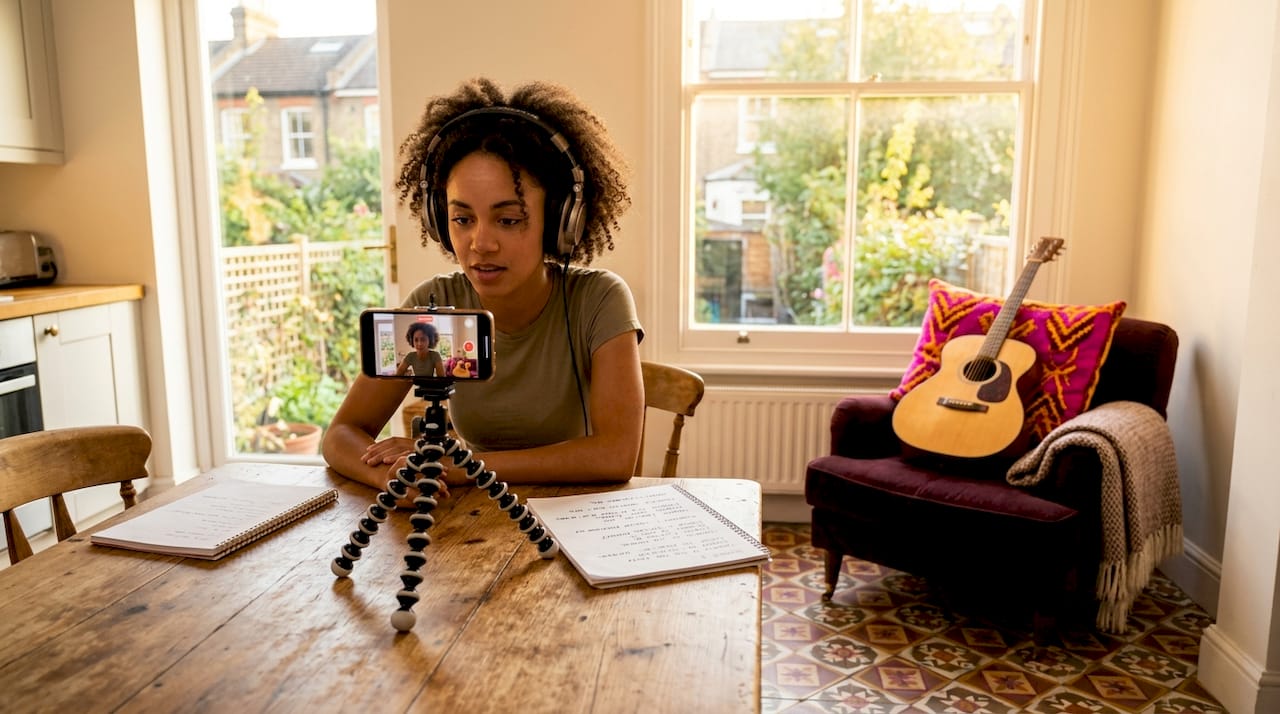
The mistake most artists make is treating short-form video purely as a broadcasting tool. It is actually a feedback system. Testing hooks on Shorts and measuring retention data transforms your posting into a learning system. You will quickly discover which six-second moment in your song makes people stop scrolling, and that moment becomes the centrepiece of your wider campaign.
What strong short-form video practice looks like in 2026:
- Post 3 to 5 short clips per week during your release window, not just once at launch
- Open every clip with your strongest hook in the first two seconds, not a slow build-up
- Use on-screen text to caption the most emotionally resonant lyric or moment
- End every clip with a direct, simple call to action (“Full track out now, link in bio”)
- Partner link strategies around short-form consistently show that consistency beats occasional viral attempts
- Review your weekly analytics to see where viewers drop off and adjust accordingly
Pro Tip: Once you find a clip with strong organic retention, that is the moment to put money behind it. Spend your promotion budget as fuel for what already works organically rather than guessing upfront which clip will perform.
4. Build an email list and talk to it regularly
Social platforms change their algorithms. Streaming platforms adjust discovery features. Your email list does none of that. Owned audience channels like email and SMS remain the most reliable promotion methods, reducing your dependency on any single platform’s rules.
The goal is not just to collect email addresses. It is to build a group of people who genuinely want to hear from you. That means communicating between releases, not only when you have something to sell. Share a snippet of a new idea you are working on. Tell the story behind a lyric. Show what your recording setup looks like at midnight.
Strong owned audience habits for independent artists:
- Send at least one email per month between releases to keep your list warm and engaged
- Include a single, clear call to action in every send, whether that is streaming, sharing, or pre-saving
- Segment your list by engagement level so your most dedicated fans hear about new music first
- Use a simple free tool like Mailchimp or ConvertKit to manage and schedule sends
- Always link directly to your streaming page rather than your general social profile
When you combine a healthy email list with your social and streaming campaigns, you create interconnected feedback loops that compound over time. One channel reinforces another and your overall reach grows with each release rather than starting from zero.
5. Collaborate with artists whose audience overlaps yours
Collaboration is one of the most underused and poorly executed tools in independent music promotion. Done correctly, strategic collaborations double your reach by sharing both artists’ audiences, especially when paired with consistent content and clear calls to action.
The format matters less than the fit. A feature on a track, a co-created TikTok video, a live acoustic session on Instagram, or a remix exchange all work as long as the other artist’s listeners would plausibly enjoy your music too.
What makes a collaboration actually convert:
- Choose artists in your genre or an adjacent one whose audience has shown engagement, not just follower numbers
- Agree on content deliverables before you start, including what each of you will post and when
- Include a direct CTA in every collaborative post pointing new listeners to where they can follow you
- Intentional collaboration aligned with your music style consistently outperforms random partnerships in follower conversion
Random collaborations with artists in completely different genres might produce short-term attention but rarely build your real fanbase. The artist with 8,000 deeply engaged listeners in your exact niche is worth more to your campaign than someone with 100,000 followers who mostly listen to something else entirely.
6. Track the right metrics and adjust accordingly
Many artists obsess over view counts and follower numbers. These are vanity metrics. What actually tells you your promotion is working is listener behaviour after the first play. Tracking downstream behaviour such as playlist adds and repeat plays gives you a far more honest picture of how your campaign is landing.
On Spotify, watch your save rate and listener-to-stream ratio. A high listener count with a low save rate means people tried your track but did not feel strongly enough to return. On Apple Music, monitor how often your track appears in user-created playlists. Both of these behaviours signal genuine connection, which is what feeds long-term streaming growth.
Adjust your campaign mid-flight based on what the numbers tell you. If a particular clip on Instagram Reels is driving most of your streaming traffic, post a follow-up in the same format. If your email open rate drops, change your subject line approach. Treat every release as digital music promotion data you are collecting for the next one.
My honest take on what actually moves the needle
I have watched hundreds of independent artists run promotion campaigns, and the pattern I see most often is the same mistake repeated: they confuse being busy with being strategic. Posting every day feels productive. Pitching to every playlist feels thorough. Neither matters if the timing is off or the targeting is wrong.
What I have found is that timing beats volume almost every single time. One pitch sent at the right moment with the right language will outperform ten pitches sent at the wrong window. One short-form clip that captures the exact emotional hook of your track will generate more saves than twenty generic lyric videos.
The other thing I keep coming back to is metadata. Artists treat it as an afterthought, but in my experience it is one of the most consequential things you control. Wrong genre tags, missing ISRC codes, or an inconsistent artist name across platforms quietly kills your discoverability before any listener ever finds you.
My genuine advice is to build your promotion system as interconnected feedback loops. Your short-form video data informs which hook to feature in your email campaign. Your email click-through rates tell you which messaging resonates enough to put into a paid ad. None of these channels works as well in isolation as they do when they are feeding each other.
Start smaller than you think you need to. Build the system, then scale it.
— Music
Take your next release further with Musicvideomarketplace
If you are ready to put these strategies into practice, Musicvideomarketplace was built with independent artists like you in mind. The platform lets you create a music video campaign in minutes, giving you a long-form video you can upload directly to YouTube alongside a fully structured ad campaign for your song.

You will also find a growing library of articles on video campaign examples and proven promotion approaches used by independent musicians at every stage. Whether you are releasing your first track or your fifteenth, Musicvideomarketplace gives you the tools to back great music with promotion that actually reaches people.
FAQ
How far in advance should I start promoting a new song?
Start building your campaign 4 to 6 weeks before release day. This window allows time for playlist pitching, content creation, and pre-save campaigns before your track goes live.
When should I pitch to Spotify editorial playlists?
Submit your pitch 2 to 4 weeks before your release date for the best results. Pitches submitted 31 to 40 days early show the highest acceptance rates, and you need a release date set in Spotify for Artists to access the pitch tool.
What is the most effective type of content for song promotion?
Short-form video clips of 15 to 30 seconds focusing on your strongest hook consistently outperform static posts for discovery. Post 3 to 5 clips per week during your release window and review retention data to refine your approach.
Why does metadata matter for music promotion?
Incorrect metadata, including wrong genre tags or misspelled artist names, can prevent your song from appearing in discovery algorithms and disqualify you from editorial playlist consideration entirely. Audit everything before your release date.
Do I need a big following to make music promotion work?
No. A smaller, well-engaged audience that genuinely connects with your genre will drive more streams, saves, and shares than a large but unrelated following. Targeted tips for song exposure consistently outperform chasing broad viral reach.
Recommended
- Proven strategies to promote your songs online in 2026 | Music Video Marketplace Blog
- Benefits of YouTube promotion for musicians in 2026 | Music Video Marketplace Blog
- Comment promouvoir une chanson sur YouTube : guide 2026 | Music Video Marketplace Blog
- Why video boosts song exposure for musicians in 2026 | Music Video Marketplace Blog
Read next
 Christopher Wieduwilt's Guide To Buying A Music VideoChristopher Wieduwilt breaks down how musicians can use Music Video Marketplace to quickly license human-made, professionally directed music videos using AI-assisted matching. This post celebrates his guide and the creator-first approach behind the platform.
 Common producer marketing mistakes: fixes for musiciansAvoid common producer marketing mistakes that can hurt your music career. Learn essential fixes to optimize your strategy and boost your success.
 Content ID Claims on Your Music Video: What to DoGot a Content ID claim on your music video? Learn why it happens, what each claim type means, how to dispute it and how to stop repeat claims.
 Benefits of video promotion for DJs in 2026Discover the benefits of video promotion for DJs in 2026. Boost engagement, secure gigs, and turn listeners into loyal fans—start now!
Turn the idea into a finished music video.
Drop your track into the Studio and build your visual in minutes.