
 Try the Studio
Examples of artist YouTube trailers: 2026 guide
Discover powerful examples of artist YouTube trailers that hook viewers instantly. Learn how to engage fans and elevate your music releases!

Examples of artist YouTube trailers: 2026 guide
TL;DR:
- Effective artist trailers begin with a strong hook within the first two seconds to prevent viewers from scrolling away.
- Using platform-specific features like YouTube Premieres and Shorts boosts engagement and algorithmic ranking.
Artist YouTube trailers are short video previews, typically 15–30 seconds, designed to hook viewers before a music release and drive measurable engagement on the platform. The best examples of artist YouTube trailers share one quality: they start at the most compelling moment, not a slow fade-in. Musicians who master this format see stronger algorithmic performance, deeper fan connection, and more views on release day. This guide breaks down what works, why it works, and how you can apply it to your own channel.
What makes examples of artist YouTube trailers actually work?
The single most important rule for any artist trailer is the 2-Second Rule: your hook must land within the first two seconds or viewers scroll away. Cinematic fade-ins and slow title cards are too slow for modern attention spans. Start at the drop, the chorus, or the most visually striking frame you have.
- Hook first. Open on the strongest moment in your track or video. Never build to it.
- Keep it concise. The 15–30 second window is the standard for YouTube Premiere trailer slots. Anything longer risks losing early arrivals before the main event.
- Stay authentic. A phone-shot studio clip often outperforms polished footage for genuine fan connection, particularly for independent artists.
- Use storytelling. Even a 20-second clip can follow a micro-arc: tension, reveal, payoff.
- Integrate platform features. YouTube Premieres, Shorts, and scheduled watch pages all reward artists who use dedicated trailer slots.
Pro Tip: Film three or four informal clips during your recording session. One of them will almost always outperform your official trailer in raw engagement because it feels real.
Pacing matters as much as content. A trailer that cuts every two seconds feels urgent. One that lingers on a single shot feels cinematic. Match your edit rhythm to your genre: grime and hip-hop reward fast cuts, while ambient or folk music benefits from slower, atmospheric edits.

1. The 360-degree immersive trailer
MCK’s album trailer for HVL is one of the most cited examples of an artist YouTube trailer pushing the format to its limits. The trailer ran 2 minutes 23 seconds, used three distinct chapters, and reached 1 million views in two days. That is not typical for a trailer, but the mechanics behind it are replicable. The 360-degree format placed viewers inside the world of the album rather than simply showing them a clip. Spatial audio and interactive navigation gave fans a reason to watch more than once.
2. The hidden interactive element trailer
MCK’s HVL trailer also embedded hidden interactive elements tied to the artist’s birthday, including secret codes and URLs that fans could discover by decoding sound and visual cues. This approach turns a passive viewer into an active participant. Repeat viewing goes up because fans want to find what they missed. For independent artists, a simpler version works just as well: hide a lyric fragment, a date, or a social handle in the background of a shot and let your community find it.
3. The YouTube Premiere teaser clip
YouTube Premieres give artists a dedicated trailer slot on the watch page before the main video goes live. A simple 15-second loop on that page outperforms an empty watch page by signalling interest to YouTube’s algorithm. The trailer does not need to be polished. A single repeating clip of the track’s best visual moment, set to the hook, is enough. Artists who leave the watch page empty before a Premiere waste the pre-release window entirely.
Pro Tip: Schedule your Premiere at least 48 hours in advance. The longer the watch page is live, the more time fans have to share the link before the video drops.
4. The short-form clip series
Posting at least five short-form clips before a music video release drives higher engagement than a single trailer. A recommended three-week pre-release funnel stages mood clips first, then lyric snippets, then the full trailer. Each clip serves a different function: mood clips build atmosphere, lyric snippets create anticipation, and the final trailer converts interest into clicks. YouTube Shorts are the natural home for this format. They function as mini-trailers that feed viewers into the full artist experience.
5. The behind-the-scenes trailer
Behind-the-scenes trailers work because they show process, not product. A clip of the recording session, the costume fitting, or the location scout tells fans that something real is being made. This style is particularly effective for album announcements where the music video itself is not yet ready. The phone-shot approach suits this format perfectly. Authenticity is the point. A shaky handheld shot of the studio at 2am communicates more urgency than a colour-graded promotional clip.
6. The performance snippet trailer
A live performance clip, even from rehearsal, gives fans a preview of the energy behind the track. This works especially well for artists who tour or perform regularly. Cut 20 seconds from a rehearsal, add the studio audio underneath, and you have a trailer that doubles as social proof. Fans see that the song translates to a live setting. This style suits single launches and tour announcements equally well.
7. The lyric-reveal trailer
Lyric-reveal trailers show fragments of lyrics on screen, timed to the music. They work because lyrics are the most shareable element of any song. A fan who connects with a line will screenshot it, quote it, or send it to someone. Keep the text minimal: one line per cut, large font, high contrast. The trailer becomes a piece of content in its own right, separate from the music video.
8. The countdown and event trailer
Countdown trailers build anticipation by combining a release date with a short audio or visual teaser. They work best when paired with a YouTube Premiere, because the Premiere page itself becomes the destination. Planning a Premiere as a full event, with trailers, live chat, and post-premiere streams, creates far deeper fan engagement than a simple upload. The trailer is the first touchpoint in that event sequence.
Which trailer style suits your release?
| Trailer style | Best use case | Engagement effect |
|---|---|---|
| 360-degree immersive | Album launch with strong visual concept | Very high repeat viewing; suits larger budgets |
| Short-form clip series | Single release over a three-week window | Broad discovery; feeds algorithm consistently |
| Behind-the-scenes | Album announcement; building anticipation | Strong fan loyalty; low production cost |
| YouTube Premiere teaser | Any scheduled release on YouTube | Signals intent to algorithm; fills watch page |
| Lyric-reveal | Lyrically driven tracks; singer-songwriters | High shareability; drives pre-save behaviour |
| Performance snippet | Tour announcements; live-focused artists | Social proof; appeals to existing fans |
Pro Tip: Combine two styles for a single release. Use a behind-the-scenes clip as your Premiere trailer, then post a lyric-reveal Short the day before the drop. The two formats reach different parts of your audience.
How to maximise your trailer’s reach in 2026
YouTube’s algorithm rewards consistency and early engagement signals. These steps apply regardless of which trailer style you choose.
- Use the Premiere trailer slot. Upload a 15–30 second clip to your scheduled watch page as soon as you set the Premiere date. An empty watch page reduces engagement and algorithmic ranking.
- Post multiple Shorts before release. Aim for at least five clips across the three weeks before your drop. Each Short drives discovery and feeds viewers toward the full video.
- Optimise your titles and descriptions. Include the track name, artist name, and release date in every trailer’s metadata. Tags should reflect genre, mood, and release type.
- Schedule consistently. Post trailers on the same days each week. Audience data from YouTube Studio shows when your subscribers are most active. Post within that window.
- Run a live chat or Q&A alongside your Premiere. Fan interaction during the countdown window increases watch time and comment velocity, both of which signal quality to YouTube’s ranking system.
- Test your hook in Shorts first. Post the first two seconds of your trailer as a standalone Short. If it performs well, the hook is strong enough for the full trailer. If it does not, recut before the main release.
For a deeper look at building a full release strategy, the music video ad best practices guide from Musicvideomarketplace covers YouTube-specific campaign structure in detail.
Key takeaways
The most effective artist YouTube trailers combine an immediate hook, authentic content, and platform-native features like YouTube Premieres and Shorts to maximise both fan engagement and algorithmic reach.
| Point | Details |
|---|---|
| Hook within two seconds | Start at the strongest moment; slow intros cause viewers to scroll away immediately. |
| Use the Premiere trailer slot | Even a simple 15-second loop outperforms an empty watch page for algorithmic ranking. |
| Post a series, not one clip | At least five short-form clips across three weeks drives higher pre-release engagement. |
| Authenticity beats polish | Phone-shot studio clips often outperform produced trailers for independent artists. |
| Interactive elements increase repeat views | Hidden codes, lyrics, or visual cues give fans a reason to watch more than once. |
What I have learned from watching artists get this wrong
Most musicians treat the trailer as an afterthought. They finish the music video, clip 20 seconds from the middle, and post it the day before release. That approach misses the entire point. The trailer is not a preview. It is the first piece of content in a release campaign, and it should be planned before the music video is even shot.
The artists who get the most out of their trailers think about them during production. They film extra angles specifically for short-form use. They record informal moments in the studio because they know those clips will feel real to fans. They plan their Premiere date weeks in advance so the watch page has time to accumulate views before the drop.
The other mistake I see constantly is chasing production value over authenticity. A beautifully colour-graded 30-second clip with no emotional hook will always lose to a shaky phone video that captures a genuine moment. Fans are not watching trailers to be impressed by cinematography. They are watching to feel something about the music.
The artists who understand this, whether they are releasing on a major label or self-releasing from a bedroom studio, consistently outperform those who do not. The format rewards honesty. Use it.
— Music
How Musicvideomarketplace helps artists create standout trailers
Creating a compelling trailer starts with having strong source material. Musicvideomarketplace enables musicians to produce a long-form music video in minutes and launch a YouTube ad campaign for their track without needing a production team.
Artists can browse 4K music videos ready to purchase and adapt for trailer use, or explore the trending video catalogue for inspiration on styles that are performing well right now. For musicians buying for a friend or collaborator, gift vouchers are also available. If you want to see what a finished, campaign-ready video looks like before committing, the platform lets you preview productions directly. Strong trailers start with strong footage. Musicvideomarketplace gives you both.
FAQ
What is an artist YouTube trailer?
An artist YouTube trailer is a short video preview, typically 15–30 seconds, posted to a YouTube channel or Premiere watch page to build anticipation for a music release.
How long should an artist trailer be on YouTube?
The recommended length is 15–30 seconds. YouTube Premiere trailer slots are specifically designed for this window, and shorter clips perform better as Shorts.
Do phone-shot trailers perform as well as produced ones?
Phone-shot clips often outperform polished trailers for independent artists because they feel authentic. A genuine studio moment connects with fans more directly than a produced promotional clip.
What are the best YouTube trailer ideas for artists releasing a single?
The most effective approaches combine a YouTube Premiere teaser clip with a series of Shorts posted across the three weeks before release, including mood clips, lyric reveals, and behind-the-scenes footage.
How do I make my artist trailer discoverable on YouTube?
Include the track name, artist name, and release date in the title and description. Post the trailer as a Short to maximise discovery reach, and use the Premiere watch page to capture early engagement signals for the algorithm.
Recommended
- Tendances vidéo 2026 : guide pour les musiciens | Music Video Marketplace Blog
- YouTube ad campaign examples for musicians: proven strategies | Music Video Marketplace Blog
- Artist video content strategy for YouTube success 2026 | Music Video Marketplace Blog
- Créer du contenu vidéo pour artistes : guide facile 2026 | Music Video Marketplace Blog
Read next
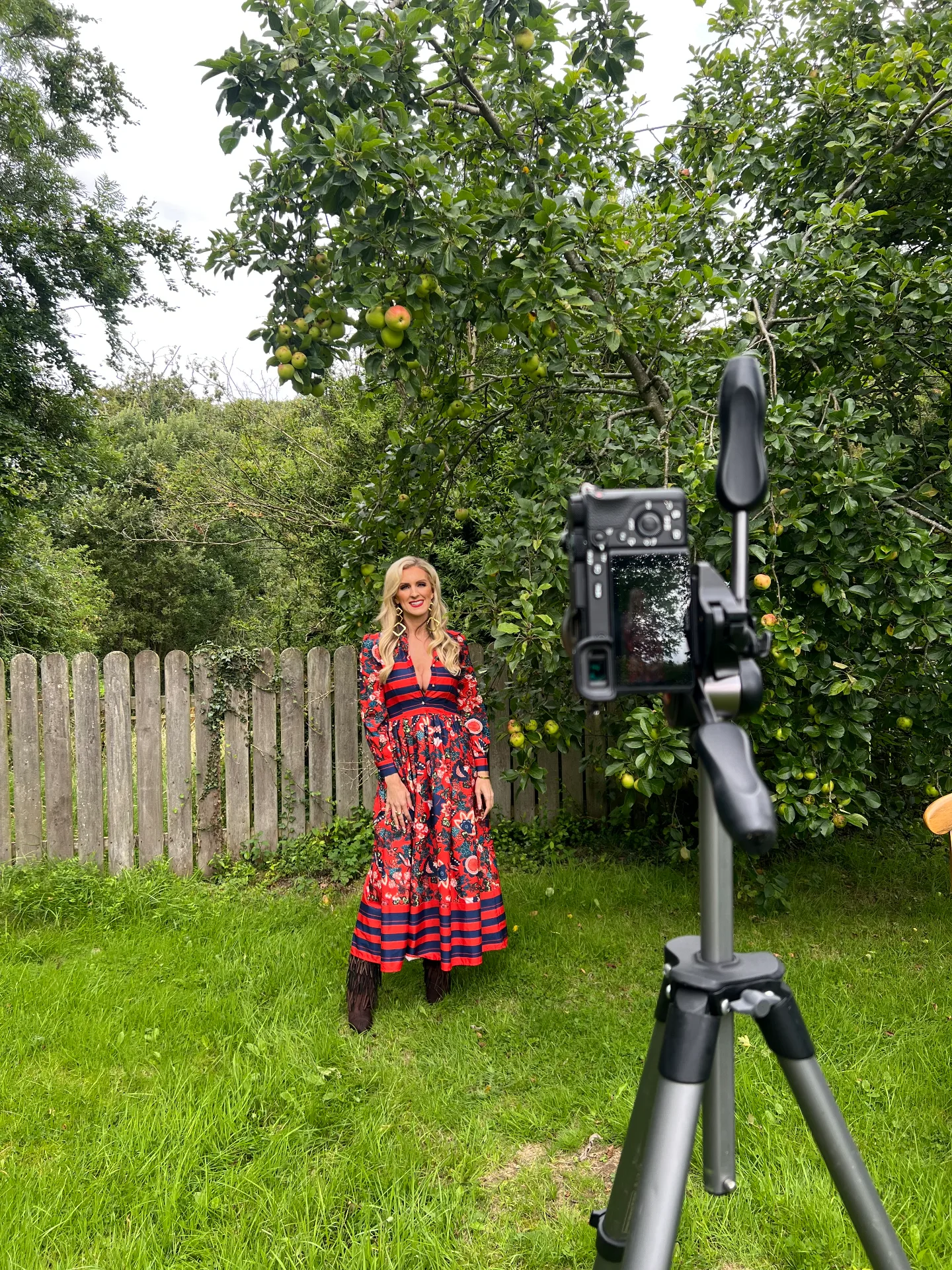 Examples of video content for musicians in 2026Discover practical video content examples for musicians in 2026. Compare formats, evaluate options, and learn production tips to boost your YouTube reach effectively.
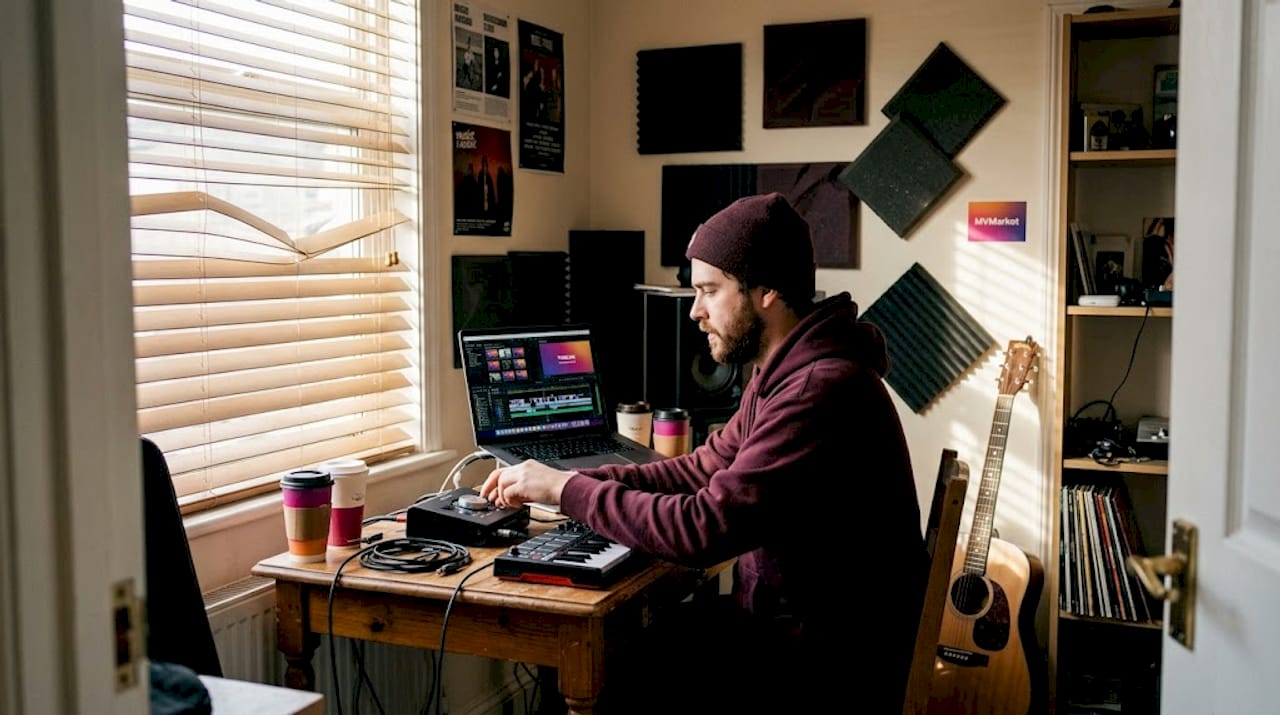 Explainer content for musicians: engage and growDiscover the power of explainer content for musicians. Engage your audience and grow your following with creative, accessible video solutions.
 Explicit Content on YouTube: 7–8 Seconds Can Limit Ads for MusiciansSee how musicians can label explicit tracks, prepare clean edits, and choose YouTube ad inventory to protect reach and revenue while preserving the original.
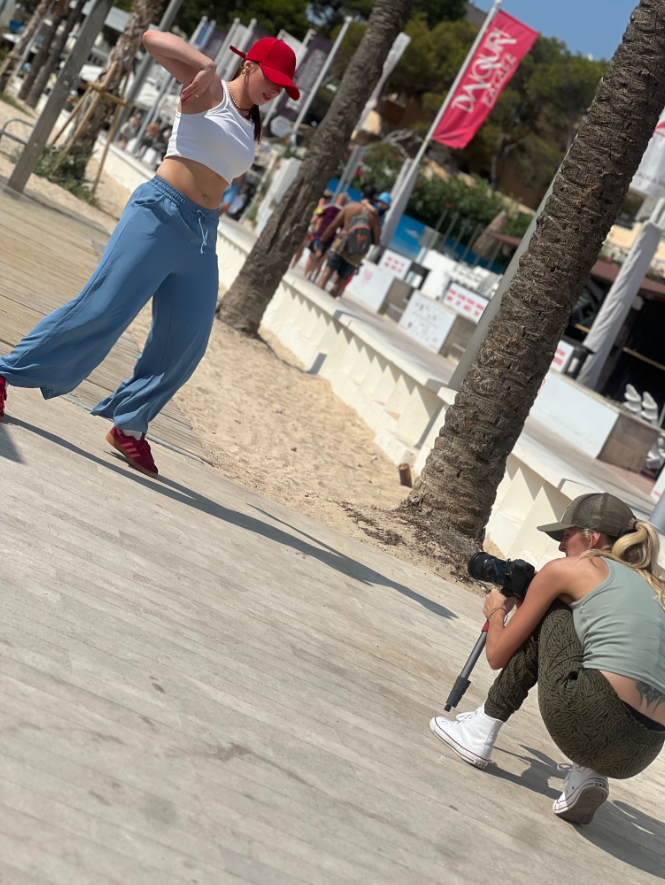 Effective video content strategies for musicians: a guideLearn how independent musicians can build a video content strategy on YouTube that boosts visibility, engagement, and music promotion in 2026.
Turn the idea into a finished music video.
Drop your track into the Studio and build your visual in minutes.