
Short form vs long form video: 2026 creator guide
Discover the difference between short form and long form video in 2026. Learn how each format engages audiences and boosts your video strategy!

Short form vs long form video: 2026 creator guide
TL;DR:
- Short form videos are under three minutes, use vertical framing, and prioritize rapid audience engagement. Long form videos exceed ten minutes, feature horizontal layout, and focus on sustained storytelling for loyal viewers. Combining both formats strategically maximizes discovery, trust, and revenue in 2026 content strategies.
The difference between short form and long form video is defined by duration, purpose, and how audiences choose to engage. Short form video runs under three minutes, uses vertical 9:16 framing, and relies on algorithmic feeds to reach new viewers fast. Long form video runs over ten minutes, uses horizontal 16:9 framing, and builds sustained engagement with an existing audience. Platforms like TikTok, Instagram Reels, and YouTube Shorts dominate short form distribution, while YouTube and podcast video formats anchor the long form space. Short form video is 2.5x more engaging than long form content. That single statistic shapes every content decision a creator or marketer makes in 2026.
What is the difference between short form and long form video?
Short form video delivers one core idea in under three minutes. Long form video builds a narrative arc across ten minutes or more. The distinction is not just about runtime. It reflects entirely different production workflows, viewer expectations, and platform mechanics.

Short form uses vertical orientation, fast pacing, and a two-second attention window to hook viewers before they scroll. Long form uses horizontal framing, encourages sustained viewer choice, and rewards creators who structure content with clear payoffs at regular intervals.
Format and production differences at a glance
| Feature | Short Form | Long Form |
|---|---|---|
| Typical duration | Under 3 minutes | 10 minutes or more |
| Orientation | Vertical (9:16) | Horizontal (16:9) |
| Primary platforms | TikTok, Instagram Reels, YouTube Shorts | YouTube, podcast video |
| Production time | 10–20 minutes per minute of footage | Scripting, research, multiple review passes |
| Audience discovery | Algorithm-driven, reaches strangers | Search-driven, reaches existing fans |
| Story structure | Single impactful idea | Layered narrative with payoff |
Short form production is lean, with rapid feedback loops that let creators test ideas quickly. Long form demands scripting, research, and a higher skill level in editing and pacing. A creator who misunderstands this distinction often produces long form content that feels padded, or short form content that tries to cram too many ideas into 60 seconds.
Pro Tip: Before you script anything, ask yourself one question: is this idea a single punch or a full conversation? That answer tells you which format to use.
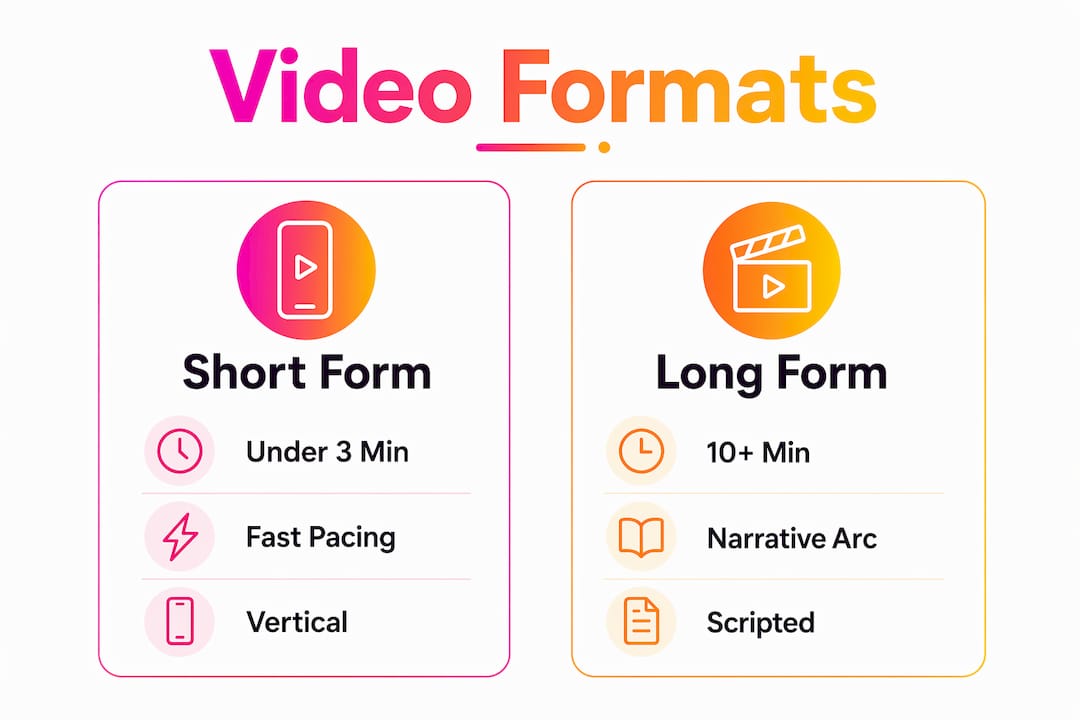
The challenges are also distinct. Short form creators must hook viewers within two seconds or lose them permanently. Long form creators must sustain attention across ten or more minutes, which requires structured narrative arcs and meaningful content at every stage.
What are the engagement and monetisation advantages of each format?
Short form video offers the highest ROI for the third consecutive year as of Q1 2026. That consistency reflects how well the format fits into viewers’ downtime and how aggressively platform algorithms push it to new audiences. 85% of marketers identify short form as the most effective format. That is not a marginal preference. It is a near-consensus.
Long form video earns 10–20 times more per view on platform advertising than short form. YouTube CPMs sit at £2–£15 per thousand views, while TikTok pays approximately £0.01–£0.04 per view. The maths favours long form for direct ad revenue, but short form wins on volume and brand deal potential.
“Short form drives reach aggressively through algorithms. Long form yields higher RPMs and builds the trust that converts viewers into buyers.” — Blitzcut Editorial Team
The monetisation split breaks down clearly:
- Short form strengths: brand sponsorships, product placements, affiliate links in bio, high-volume reach for awareness campaigns
- Long form strengths: YouTube ad revenue, mid-roll ads, course sales, affiliate links in descriptions, membership programmes
66% of consumers find short form the most engaging social content. That engagement does not always translate directly into revenue, but it builds the audience that long form then converts. Short form works as a top-of-funnel tool, reaching strangers through algorithmic feeds. Long form caters to an existing, invested audience who found you through search or a recommendation.
For musicians specifically, this split is particularly relevant. A 30-second clip on Instagram Reels can introduce a track to thousands of new listeners. A full music video or behind-the-scenes documentary on YouTube converts those listeners into genuine fans who stream, buy, and attend shows.
How should creators combine short form and long form strategically?
The most effective content strategies in 2026 use both formats together. Successful creators use a dual-format approach: short form for discovery, long form for trust and monetisation. Neither format alone delivers the full picture.
Here is a practical framework for integrating both:
- Create the long form anchor first. Produce a YouTube video, a full music video, or a detailed tutorial. This is your content foundation.
- Extract short form clips from it. Pull the strongest 30–60 second moments and reformat them vertically for TikTok, Instagram Reels, and YouTube Shorts.
- Use short form to drive traffic to long form. Add a clear verbal or text call-to-action in your short form clips pointing viewers to the full video.
- Match content depth to platform intent. TikTok viewers want immediate value. YouTube viewers expect depth. Never post a padded long form video to TikTok or a shallow clip to YouTube as your main content.
- Review performance data weekly. Short form gives rapid feedback. Use that data to decide which topics deserve full long form treatment.
A common mistake is forcing complex messages into short clips. If your idea requires context, nuance, or a step-by-step explanation, it belongs in long form. Compressing it into 60 seconds produces confusion, not engagement. The video length for music content on YouTube follows different rules than social clips, and treating them the same wastes both formats.
Pro Tip: Repurpose strategically, not lazily. A long form video chopped into random clips performs poorly. Identify the single most shareable moment first, then build the short form clip around that specific idea.
TikTok adoption grew 62% in 2026 over the previous year. That growth signals where discovery is happening right now. Creators who ignore short form are invisible to a massive and growing audience. Creators who ignore long form are building reach without the depth that converts followers into loyal fans.
How do storytelling and psychology shape video effectiveness?
90% of video success comes from psychological connection and storytelling, not technical production quality. That finding reframes the entire short vs long video debate. The format matters less than the emotional resonance you create within it.
Relatability boosts shareability by 25–40%. A viewer who sees their own experience reflected in your content shares it. A viewer who watches technically polished content with no emotional hook does not. This applies equally to a 15-second TikTok and a 20-minute YouTube documentary.
The narrative mechanics differ significantly between formats, though. Short form demands a single impactful idea delivered with immediacy. There is no room for a slow build. Long form rewards layered storytelling, where each section adds a new dimension to the central theme. Stretching short form content into long form without a clear narrative arc reduces viewer retention sharply. Filler is the single biggest killer of long form performance.
Creators who embed storytelling and psychological resonance in their videos see markedly better engagement than those relying on surface trends. For musicians, this means the role of storytelling in music is not a creative luxury. It is a measurable performance driver.
“Emotional storytelling is the key to shareability and viewer commitment. Creators focusing only on technical tactics fail to engage deeply.” — Social Media Examiner
The most shareable short form videos share three psychological traits: they trigger an immediate emotion, they feel authentic rather than produced, and they resolve within the viewer’s attention span. Long form videos that retain viewers to the end do so because they make a promise in the first 30 seconds and deliver on it fully.
Key takeaways
Short form video drives discovery through algorithms while long form builds the trust and revenue depth that converts audiences into committed fans.
| Point | Details |
|---|---|
| Format defines purpose | Short form suits rapid discovery; long form suits deep engagement and monetisation. |
| Engagement data favours short form | Short form is 2.5x more engaging and holds the highest ROI for the third year running. |
| Monetisation favours long form | YouTube CPMs are 10–20x higher per view than TikTok, rewarding sustained viewer commitment. |
| Dual-format strategy wins | Use short form clips to drive traffic to long form anchor content for maximum reach and conversion. |
| Storytelling drives both formats | 90% of video success comes from psychological connection, not production quality alone. |
Why i think most creators are using these formats back to front
Most creators I observe build their long form content first out of habit, then scramble to cut short clips as an afterthought. The clips feel rushed because they are. The long form feels padded because it was never designed with a clear narrative payoff. Both formats suffer.
The shift I recommend is to think in ideas first, then assign format. Some ideas are punches. Some are conversations. Trying to turn a punch into a conversation produces a padded video. Trying to compress a conversation into a punch produces confusion.
Platform ecosystems in 2026 have also matured in ways that reward this thinking. YouTube’s algorithm now actively promotes short form clips that link to longer content on the same channel. TikTok’s search function has grown significantly, meaning long form discovery is possible there too. The boundaries are blurring, but the underlying psychology has not changed.
The creators I see winning consistently are those who treat short form as a genuine creative format, not a marketing afterthought. A 30-second clip that delivers one perfectly crafted idea outperforms a 30-second clip that is simply the first 30 seconds of a longer video. That distinction sounds simple. Very few creators actually practise it.
For musicians especially, the long form video advantages on YouTube are too significant to ignore. A full music video or artist documentary builds the kind of connection that a Reel simply cannot replicate. Use both. But use them with intention.
— Music
Ready to create long form video content in minutes?
Quality video assets are the foundation of both short and long form strategies. Musicvideomarketplace gives musicians access to professional 4K music videos they can upload to YouTube and build an ad campaign around immediately. No lengthy production process, no expensive crew.

Whether you are building a long form YouTube presence or pulling short clips for Instagram Reels and TikTok, starting with high-quality footage makes every format perform better. Explore the trending 4K music videos on Musicvideomarketplace and get your next campaign live today.
FAQ
What counts as short form video?
Short form video is typically under three minutes in length, uses vertical 9:16 framing, and is distributed through algorithm-driven platforms such as TikTok, Instagram Reels, and YouTube Shorts.
What are the main benefits of short videos for marketers?
Short form video delivers the highest ROI of any social content format and is 2.5 times more engaging than long form content, making it the most effective tool for audience discovery and top-of-funnel reach.
How long should a long form video be?
Long form video is generally defined as ten minutes or longer. YouTube content in the 10–20 minute range performs well for education, storytelling, and authority building, with ad revenue potential 10–20 times higher per view than short form platforms.
Can you repurpose long form video into short form clips?
Yes, and this is the most efficient content strategy available. Produce a long form anchor video first, then extract the single strongest moment to reformat vertically as a short form clip for TikTok or Instagram Reels.
Which format is better for musicians promoting a new release?
Both formats serve different goals. Short form clips on TikTok and Instagram Reels drive discovery with new listeners, while a full music video or artist documentary on YouTube builds the deeper connection that converts listeners into loyal fans.
Recommended
- What is long form video? A creator’s guide | Music Video Marketplace Blog
- What is long form music content: a 2026 guide | Music Video Marketplace Blog
- Why use long form video for DJs: 2026 guide | Music Video Marketplace Blog
- How to create long-form music video tutorials on YouTube | Music Video Marketplace Blog
Read next
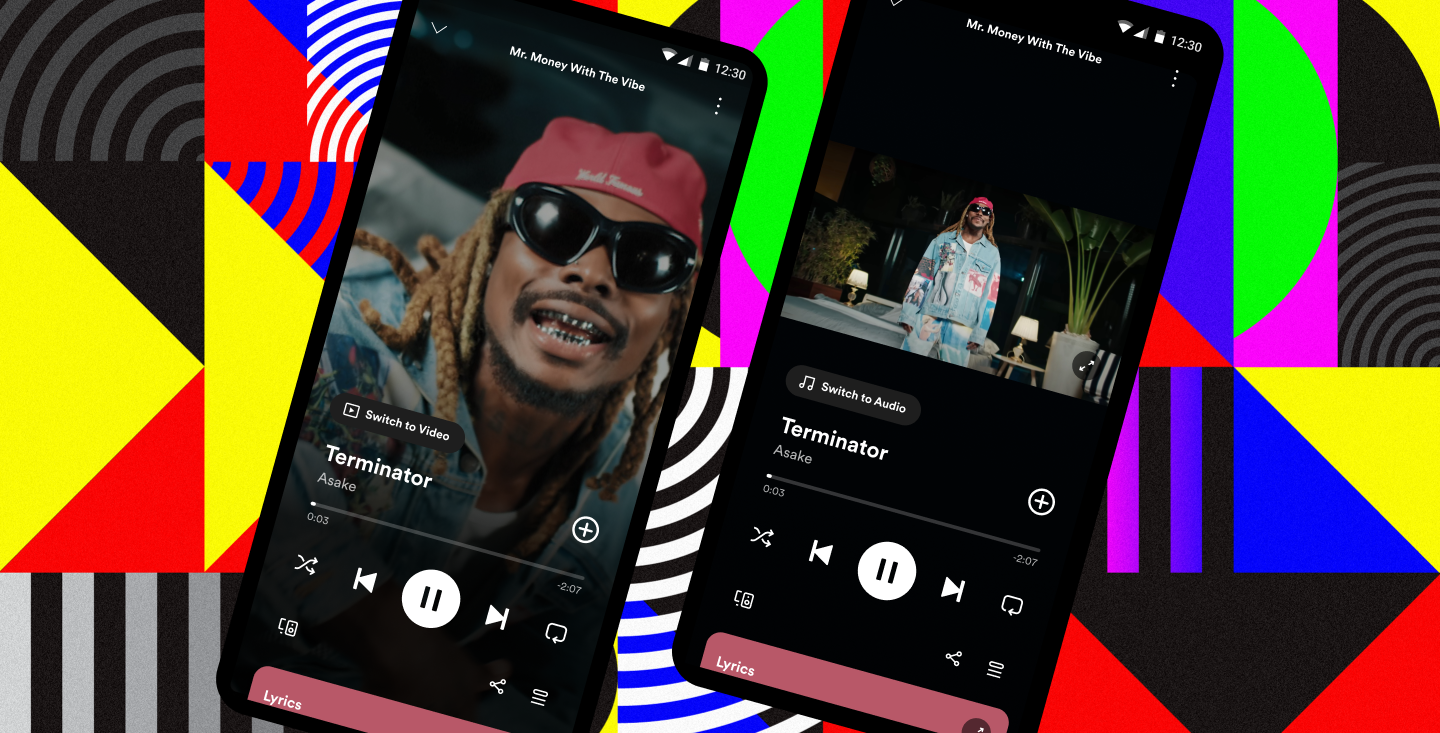 Spotify Music Videos Launch USA & CanadaSpotify’s rollout of full-length music videos in the USA and Canada is changing how artists grow their fanbase. Discover why visuals matter more than ever — and how Music Video Marketplace delivers instant, done-for-you music videos.
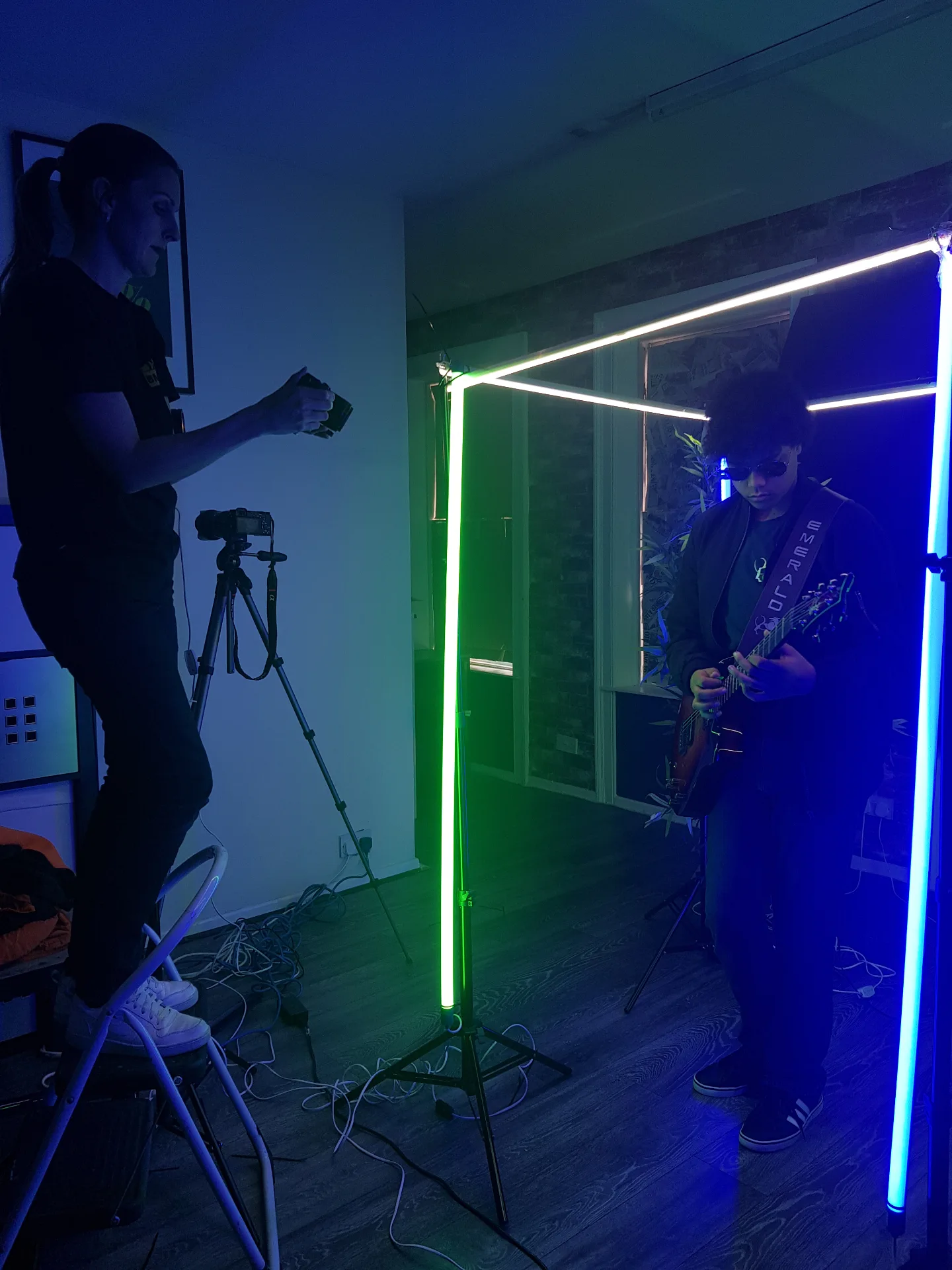 Top video marketing trends for musicians: 2026 strategiesDiscover the top video marketing trends for musicians in 2026, from long-form storytelling and YouTube ads to short-form ROI and IRL campaign strategies.
 DJ audience demographics in the UK: who you're really playing toDiscover the types of DJ audience demographics in the UK, from Gen Z trends to insights on the 25-44 age group engaging with dance music.
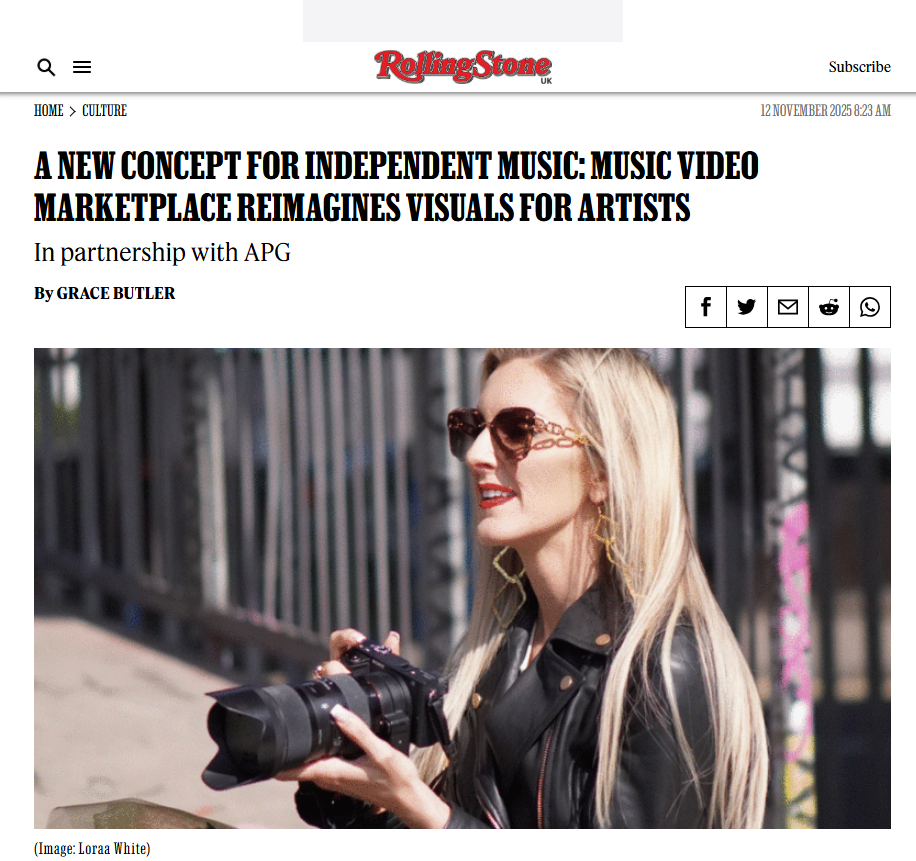 Rolling Stones UK Featured Music Video MarketplaceMusic Video Marketplace celebrates a major milestone with its Rolling Stone UK feature, highlighting our mission to make high-quality visuals accessible for independent artists as we prepare for our upcoming U.S. launch and 2026 Texas expansion.
Turn the idea into a finished music video.
Drop your track into the Studio and build your visual in minutes.