
Top video marketing trends for musicians: 2026 strategies
Discover the top video marketing trends for musicians in 2026, from long-form storytelling and YouTube ads to short-form ROI and IRL campaign strategies.
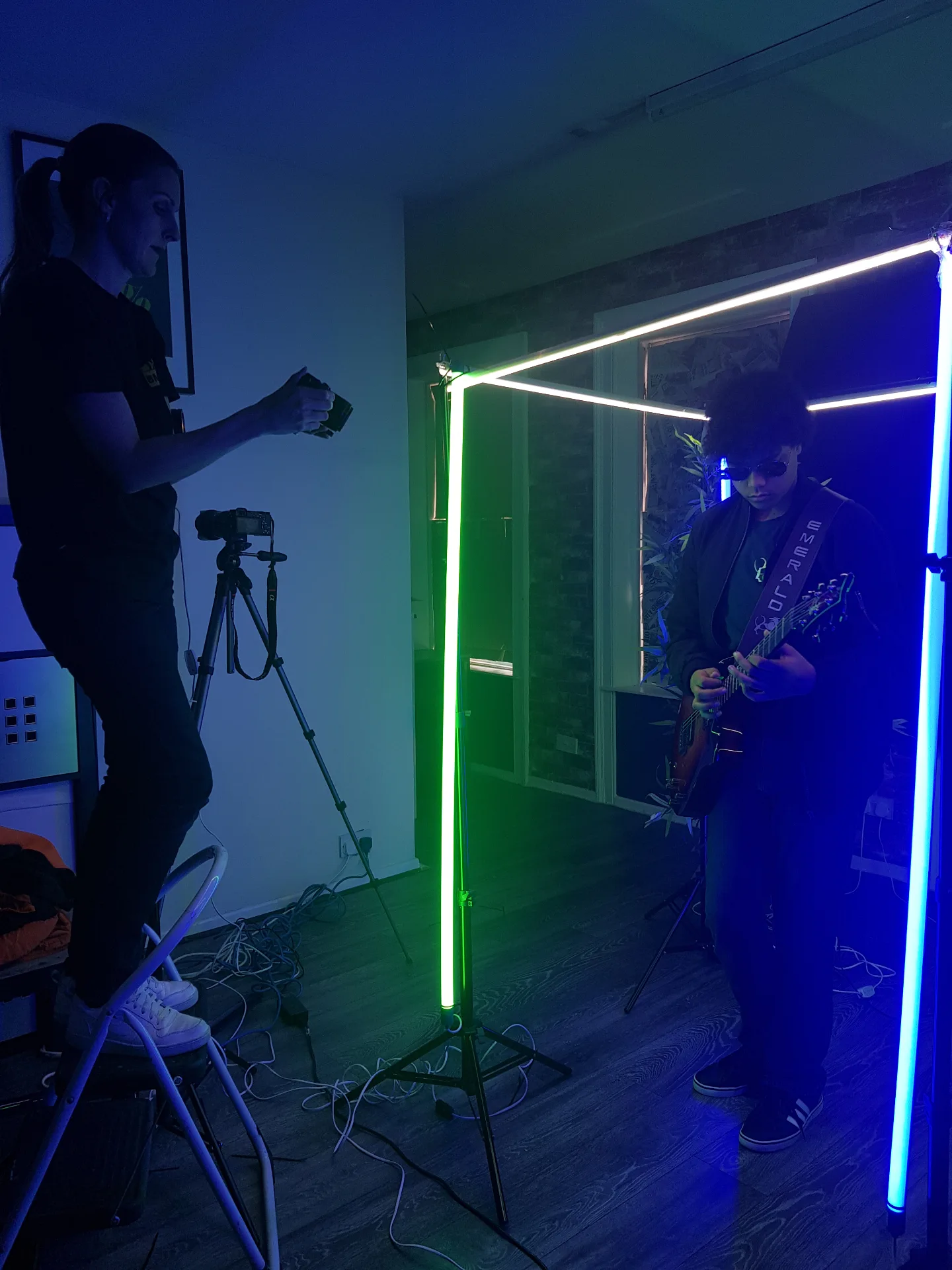
Top video marketing trends for musicians: 2026 strategies
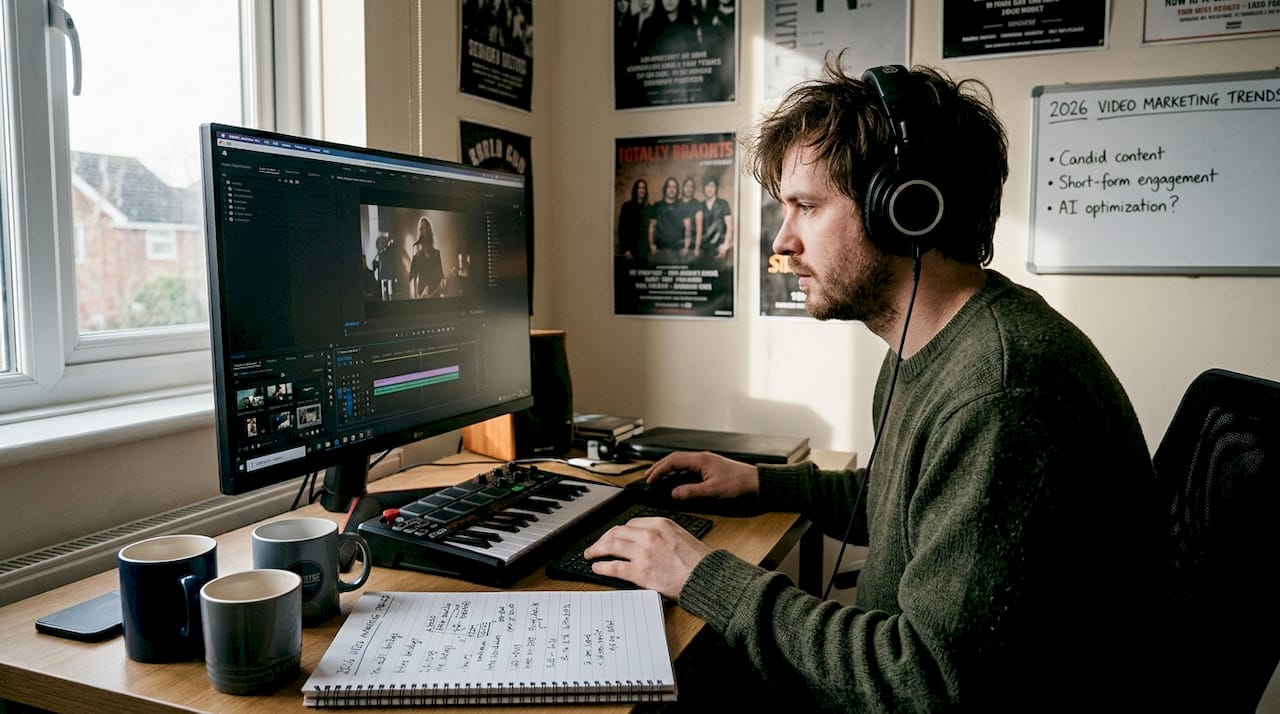
TL;DR:
- Music videos dominate YouTube, making strategic marketing essential for visibility and growth.
- Long-form storytelling builds fan loyalty and increases monetization through mid-roll ads.
- Short-form videos boost discovery and virality, but balanced strategies outperform viral obsession.
Music videos are the beating heart of YouTube, and the competition for attention has never been fiercer. 93% of most-watched YouTube videos are music videos, which means you are not just competing with other indie artists — you are competing with major labels, viral trends, and algorithm shifts happening in real time. Knowing which video marketing strategies actually move the needle in 2026 is no longer optional. It is the difference between a release that disappears and one that builds a genuine fanbase. This article breaks down the key trends, formats, and tactics you need to stay visible and grow.
Table of Contents
- Key criteria for successful music video marketing in 2026
- Long-form video storytelling: Engaging superfans and boosting monetisation
- Short-form video strategies: Discovery, virality, and instant appeal
- Targeting with YouTube ads: Maximising exposure and engagement for music videos
- Combining digital and IRL activations: Building immersive campaigns
- What most musicians get wrong with video marketing in 2026
- Take your music video marketing to the next level
- Frequently asked questions
Key Takeaways
| Point | Details |
|---|---|
| Short and long-form synergy | Combining short and long-form video boosts music discovery and fan loyalty. |
| Narrative-driven campaigns | World-building stories in music videos drive engagement and monetisation. |
| YouTube ad targeting | Smart ad targeting maximises exposure and ROI for music releases. |
| Digital and IRL integration | Blending online and real-world campaigns multiplies fan interaction. |
| Balanced approach works best | Musicians who mix formats and strategies outperform those who chase only viral hits. |
Key criteria for successful music video marketing in 2026
With the stakes established, let us look at the main criteria musicians should evaluate before investing in video campaigns. Not every format or platform suits every artist, and making the wrong call early wastes both time and budget.
Here are the core criteria worth assessing:
- Audience relevance: Your genre and target demographic should shape every creative decision. A folk artist and a grime producer need completely different approaches, even on the same platform.
- Format choice: Deciding between short-form and long-form is not a one-size-fits-all answer. Each serves a different purpose in the fan journey.
- Narrative sophistication: In 2026, marketing trends in music are moving firmly towards world-building and storytelling. Surface-level content is losing ground to campaigns with depth.
- Platform optimisation: YouTube rewards watch time, click-through rates, and engagement signals. Understanding how the algorithm reads your content is essential.
- Production quality: You do not need a Hollywood budget, but poor audio or shaky visuals will kill retention instantly.
- Release timing: Dropping a video at the right moment — aligned with cultural events, playlist cycles, or tour dates — amplifies its reach significantly.
47% of global music streaming time is spent on YouTube, which makes it the single most important platform for video marketing. Understanding video content importance before you launch a campaign saves you from costly missteps.
Pro Tip: Before you produce anything, map out your audience persona. Age, location, listening habits, and what they watch beyond music all inform the format and tone of your video strategy.
Long-form video storytelling: Engaging superfans and boosting monetisation
With criteria established, the first major trend is the rise of narrative-driven long-form videos. Short clips get attention, but long-form content builds the kind of loyalty that translates into streams, merchandise sales, and sold-out shows.
Here is how artists are using long-form video effectively in 2026:
- Video series with ongoing storylines: Rather than releasing standalone videos, artists are creating episodic content that gives fans a reason to return week after week.
- Artist-led documentaries: Behind-the-scenes footage, recording diaries, and tour documentaries humanise an artist and create genuine emotional connection.
- Mystery campaigns: Teaser videos that reveal fragments of a narrative over time generate speculation and repeat viewing, which YouTube’s algorithm rewards heavily.
- Cinematic world-building: Artists are creating visual universes around their music, with consistent characters, colour palettes, and storylines that span multiple releases.
“Long-form video is closing the ROI gap with short-form content, and YouTube remains the key platform for monetisation through mid-roll advertising.”
This matters practically because long-form videos are closing the ROI gap with short-form, and YouTube enables mid-roll ads on videos over eight minutes long. That means your storytelling content can generate direct revenue while building your audience simultaneously. The YouTube CEO’s vision for 2026 places long-form content at the centre of the platform’s growth strategy, which signals that investing in this format now puts you ahead of the curve.
Explore video monetisation insights and campaign examples for musicians to see what is working for independent artists right now.
Short-form video strategies: Discovery, virality, and instant appeal
While long-form helps deepen engagement, short-form video is still king for viral discovery. YouTube Shorts, Instagram Reels, and TikTok clips remain the fastest route to algorithmic reach and new listener discovery in 2026.
Short-form video delivers the highest ROI of any content format at 48.6%. That is a figure worth taking seriously, especially if you are working with a limited marketing budget.
Here is how to make short-form work harder for your music:
- Lyric excerpts: Pull the most emotionally resonant or catchy line from your track and pair it with striking visuals. These clips stop the scroll and spark curiosity.
- Behind-the-scenes moments: Studio sessions, vocal warm-ups, or even a candid conversation about your creative process feel authentic and shareable.
- Quick artist Q&As: Answer fan questions in 30 to 60 seconds. This format builds personality and encourages repeat engagement.
- Reaction and duet content: Inviting fans to respond to your clips using platform features extends the life of each piece of content organically.
- Teasers for longer content: Use short clips as trailers for your long-form videos, driving traffic between formats and increasing total watch time.
The key to short-form success is consistency, not perfection. Posting regularly signals to algorithms that you are an active creator, which boosts your content’s visibility. Understanding how boosting song exposure works through short-form content, and the broader role of video in music promotion, will sharpen your approach significantly.
Targeting with YouTube ads: Maximising exposure and engagement for music videos
To turn viewers into fans and customers, ad campaigns are essential. Organic reach alone rarely delivers the scale independent artists need, and YouTube’s advertising tools have become remarkably precise.
Official music videos generate 300% more social engagement than audio-only releases. That statistic alone justifies the investment in video-led ad campaigns.
Here is a comparison of the main YouTube ad formats available to musicians:
| Ad format | Best use | Skippable? | Cost model |
|---|---|---|---|
| Pre-roll (in-stream) | Brand awareness, new releases | Yes (after 5 seconds) | CPV (cost per view) |
| Non-skippable in-stream | Maximum message delivery | No | CPM (cost per thousand) |
| YouTube Shorts ads | Discovery among short-form viewers | Yes | CPV |
| Sponsored cards | Promoting merch or tour dates | N/A | CPC (cost per click) |
Beyond format, targeting is where campaigns succeed or fail. YouTube allows you to target by age, location, musical interests, and even specific channels your ideal listener already watches. Retargeting — showing ads to people who have already watched your videos — is particularly powerful for converting warm audiences into paying fans.
Pro Tip: Start with a small daily budget on in-stream ads targeting fans of similar artists. Monitor your view-through rate closely. If it drops below 20%, revisit your opening five seconds — that is where most viewers decide whether to skip.
For a deeper look at YouTube ad best practices tailored specifically to musicians, the guidance there will help you avoid the most common campaign mistakes.
Combining digital and IRL activations: Building immersive campaigns
A final trend is the creative combination of online video marketing with real-world experiences. The most memorable music campaigns in 2026 do not live entirely online or entirely offline — they move fluidly between both.
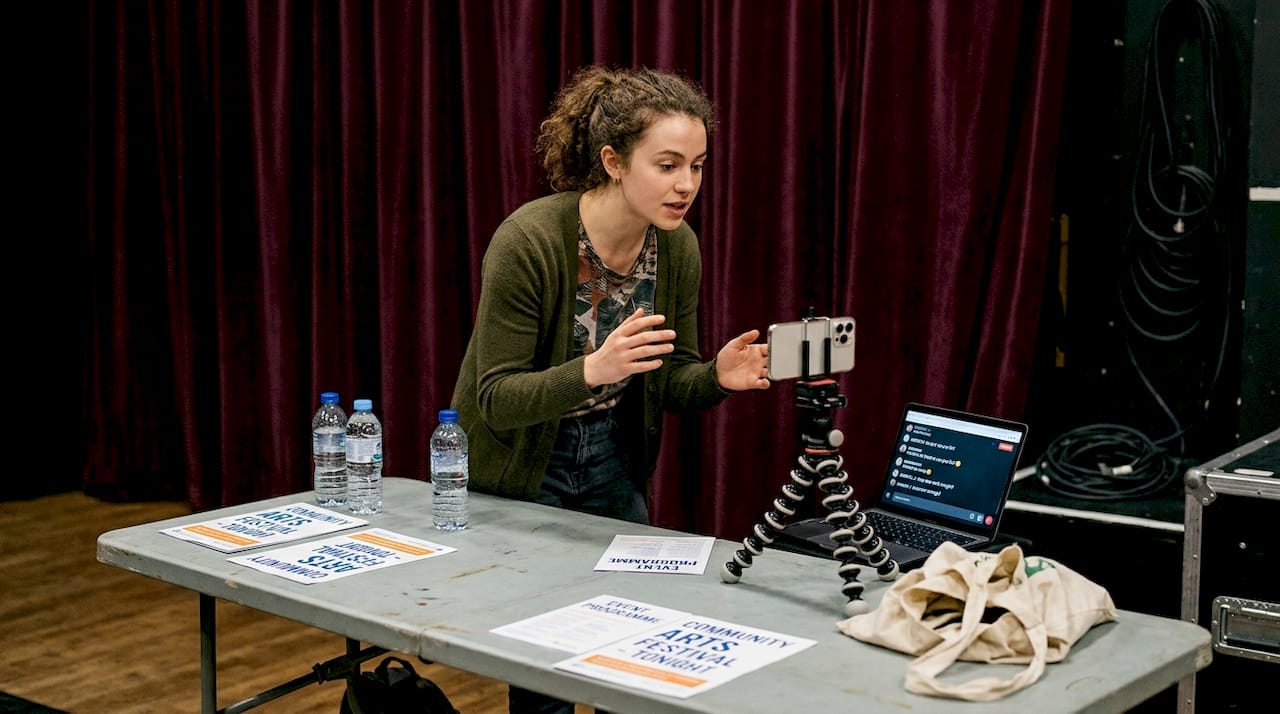
Blending digital with IRL activations creates a feedback loop: online content drives people to physical events, and physical events generate content that fuels online engagement.
Here is what this looks like in practice:
- Pop-up listening events: Intimate, invite-only sessions filmed and shared as long-form video content, creating both a live experience and a digital asset.
- Scavenger hunts: Hiding clues in video content that fans must find in the real world generates media coverage and social sharing.
- Exclusive merchandise drops: Tied to video releases, available only at specific locations or times, creating urgency and offline buzz.
- Street art and installations: Visual elements that fans photograph and share, extending the reach of a campaign beyond the artist’s own channels.
| Campaign element | Digital impact | IRL impact |
|---|---|---|
| Pop-up event | Video content, livestream views | Fan loyalty, press coverage |
| Scavenger hunt | Social shares, algorithm boost | Community building |
| Merch drop | Online sales, unboxing content | Foot traffic, local media |
For artists exploring this approach, studying essential trends for indie artists will give you a clearer picture of how to structure these campaigns on a realistic budget.
What most musicians get wrong with video marketing in 2026
With the main trends covered, here is a perspective few articles share. Most musicians in 2026 are chasing short-form virality at the expense of everything else. They post Shorts obsessively, chase trending audio, and measure success in views rather than in genuine fan relationships or revenue.
The uncomfortable truth is that a single viral clip rarely converts into lasting career momentum. It might spike your follower count for a week, but without deeper content to hold those new listeners, they disappear just as quickly as they arrived.
The artists who are genuinely building sustainable careers right now are the ones investing in long-form storytelling alongside their short-form presence. They treat short clips as the door and long-form video as the room. One gets people in, the other makes them stay.
The independent musician marketing guide makes this point clearly: balanced strategies consistently outperform single-format obsession. Short-form and long-form are not competitors — they are partners in a well-structured campaign. Stop optimising for the algorithm and start optimising for your superfans. The algorithm will follow.
Take your music video marketing to the next level
Ready to translate these trends into new opportunities? The strategies outlined here work best when you have the right tools and support behind you.

Music Video Marketplace is built specifically for independent musicians who want to act on trends like these without spending weeks in production or thousands on agencies. You can create a long-form video in minutes, upload it directly to YouTube, and launch a targeted ad campaign for your song — all from one place. Whether you need inspiration or a full campaign framework, explore creative content ideas to see how other artists are putting these strategies into action right now.
Frequently asked questions
What video formats should musicians focus on in 2026?
Musicians should use both short-form and long-form videos. Short-form delivers the highest ROI for discovery, while longer videos deepen superfan engagement and unlock YouTube monetisation.
How can independent artists increase fan engagement with video?
Combining narrative-driven long-form videos with interactive short-form content and real-life activations is the most effective approach. Blending digital with IRL consistently produces stronger fan loyalty and social engagement.
Is YouTube still the best platform for music video marketing?
Yes. 47% of global music streaming time happens on YouTube, and official videos generate 300% more social engagement than audio-only releases, making it the dominant platform for music video marketing.
What ad campaign strategy works best for indie musicians on YouTube?
Targeted pre-roll and in-stream ads paired with demographic filters and retargeting drive maximum reach. Official videos generate 300% more engagement than audio-only releases, so video-led ad campaigns offer a clear return on investment.
How can musicians get started with trend-led video marketing?
Evaluate your campaign criteria, study the emerging formats, and use specialist platforms to execute efficiently. 2026 music marketing trends point clearly towards world-building narratives, mystery campaigns, and digital-IRL integration as the strongest starting points.
Recommended
- Why video content matters for musicians in 2026 | Music Video Marketplace Blog
- Examples of video content for musicians in 2026 | Music Video Marketplace Blog
- Key advantages of YouTube for musicians in 2026 | Music Video Marketplace Blog
- Video Marketing: Boosting Musicians’ Reach on YouTube | Music Video Marketplace Blog
Read next
 DJ audience demographics in the UK: who you're really playing toDiscover the types of DJ audience demographics in the UK, from Gen Z trends to insights on the 25-44 age group engaging with dance music.
 Label fan engagement programmes: the complete guideDiscover the essential types of label fan engagement programs that boost audience loyalty and drive sales in the music industry.
 Label reporting dashboards: the UK guide for 2026Discover the essential types of label reporting dashboards for 2026. Learn how each dashboard enhances your operation and decision-making.
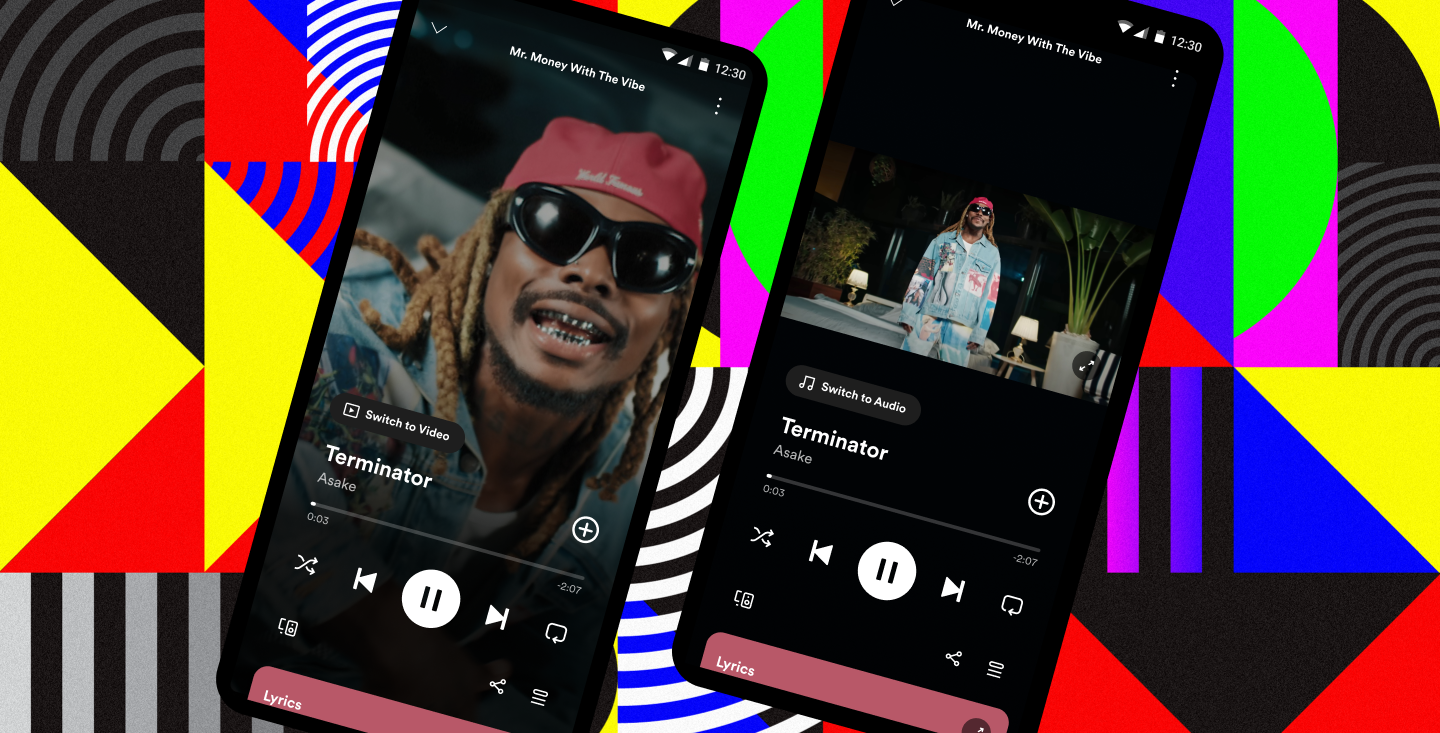 Spotify Music Videos Launch USA & CanadaSpotify’s rollout of full-length music videos in the USA and Canada is changing how artists grow their fanbase. Discover why visuals matter more than ever — and how Music Video Marketplace delivers instant, done-for-you music videos.
Turn the idea into a finished music video.
Drop your track into the Studio and build your visual in minutes.