
YouTube music distribution: 5 key benefits in 2026
Discover how independent musicians can use YouTube for music distribution, monetisation, and discovery in 2026. Practical strategies for real growth.
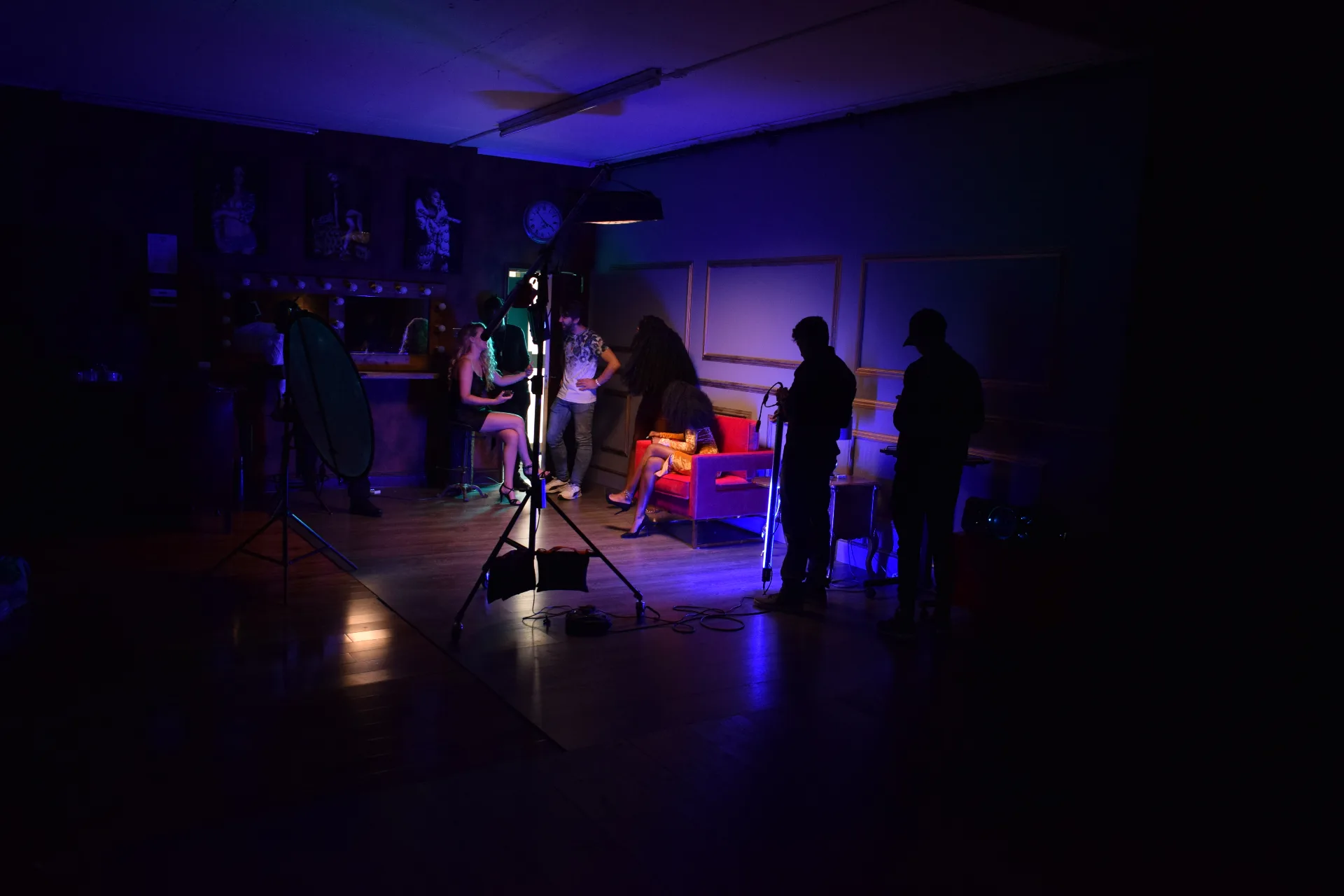
YouTube music distribution: 5 key benefits in 2026

Breaking through as an independent musician has never been more competitive. With millions of tracks uploaded every day, visibility is the real battle, not talent. YouTube has quietly become one of the most powerful platforms for music discovery, distribution, and income, offering independent artists a genuine alternative to the traditional label route. As a music discovery engine, it combines search, recommendation, video, and monetisation in one place. This article walks you through exactly how to use YouTube strategically, from setting up your presence to protecting your rights and growing a sustainable income.
Table of Contents
- Why YouTube leads in music discovery and artist reach
- Monetisation opportunities for independent musicians
- Visibility tools: Official Artist Channels (OAC) and analytics
- Content types and algorithmic strategies for ongoing growth
- Safeguarding your rights and revenue: Content ID and metadata best practice
- Limitations, challenges, and strategic recommendations
- Level up your music career with professional music videos
- Frequently asked questions
Key Takeaways
| Point | Details |
|---|---|
| YouTube expands reach | YouTube’s algorithm and global user base help indie music reach new fans more efficiently than other platforms. |
| Diverse revenue streams | Artists can earn from streams, ad revenue, user-generated content, and fan engagement all on YouTube. |
| Robust rights protection | Content ID and proper metadata let musicians automatically track usage and monetise their music globally. |
| Official Artist Channels boost credibility | OACs centralise music, unify analytics, offer merch tools, and improve discoverability. |
| Content strategy matters | Mixing Shorts, live videos, and behind-the-scenes content increases growth and keeps audiences engaged over the long term. |
Why YouTube leads in music discovery and artist reach
YouTube is not just a video platform. It is a search engine, a social feed, and a streaming service rolled into one. That combination gives independent musicians something no other platform currently matches: the ability to be discovered by someone who was not looking for you at all.
The platform’s algorithm works by analysing session behaviour, watch time, and engagement signals. When a listener watches your video all the way through and then clicks on another, YouTube takes note. Over time, it starts recommending your content to similar listeners. This is why YouTube algorithm advantages matter so much for independent artists who cannot rely on playlist placements or label push.
The numbers back this up. YouTube Music now has 125M paid subscribers and over 100 million daily active users as of 2025. More importantly for emerging artists, 55% of Gen Z discover new music through YouTube recommendations, more than any other platform. That is your audience, and they are already there.
Here is what sets YouTube apart from audio-only platforms:
- Visual and audio combined: Lyric videos, live sessions, and music videos all perform well in search and recommendations.
- Global emerging markets: YouTube dominates in regions where Spotify has limited reach, opening doors to fans in South Asia, Latin America, and Africa.
- Long-tail discovery: Older catalogue tracks continue to surface through related video recommendations, generating ongoing streams.
- Cross-platform sharing: YouTube links embed everywhere, from blogs to social media, extending your reach beyond the platform itself.
Pro Tip: Post a mix of content types rather than just official audio uploads. Channels that combine Shorts, lyric videos, and behind-the-scenes clips see stronger recommendation rates because they signal active, diverse engagement to the algorithm. Explore further YouTube benefits for musicians to build your strategy.
Monetisation opportunities for independent musicians
YouTube’s monetisation model is genuinely different from Spotify or Apple Music. It is not just about stream counts. There are multiple income layers running simultaneously, and understanding them changes how you approach your releases.
“YouTube offers higher streaming volume longevity, video monetisation, UGC opportunities and multifaceted revenue streams that audio-only platforms simply cannot replicate.”
Here is a breakdown of the main revenue streams available to independent artists:
| Revenue stream | How it works | Typical rate |
|---|---|---|
| YouTube Music streaming | Paid subscriber plays | ~$4.8 per 1,000 streams |
| Ad revenue (YouTube) | Ads shown on your videos | Variable, ongoing |
| YouTube Shorts fund | Plays on short-form content | Varies by region |
| Super Thanks / memberships | Direct fan contributions | 100% fan-driven |
| Content ID (UGC) | Monetise covers and remixes | Passive, automatic |
According to Duetti’s 2024 report, YouTube streaming royalties sit at $4.8 per 1,000 streams, with $100 million in fan funding paid out to creators. That fan funding figure alone signals a shift in how audiences want to support artists directly.
One often-overlooked benefit is passive catalogue revenue. Unlike a Spotify editorial playlist that runs for a few weeks, YouTube’s recommendation engine keeps surfacing older tracks to new listeners indefinitely. A song you released three years ago can still generate income today if it is properly set up. Read our guide to video monetisation and YouTube monetisation explained for a full walkthrough.
Key benefits of YouTube’s monetisation model:
- Ad revenue is ongoing and not tied to editorial decisions.
- Content ID monetisation turns fan-made videos into income streams.
- Fan funding tools (Super Thanks, memberships) create direct artist-to-fan financial relationships.
- Premium subscriber plays generate higher per-stream rates than free-tier listens.
Visibility tools: Official Artist Channels (OAC) and analytics
An Official Artist Channel (OAC) is YouTube’s way of consolidating everything under one verified profile. Instead of having your music scattered across your personal channel, your distributor’s uploads, and auto-generated topic channels, an OAC pulls it all together. This matters enormously for first impressions.

Official Artist Channels consolidate releases and provide advanced analytics, merch integration, and ticketing tools, giving independent artists the same professional infrastructure as signed acts. The credibility boost alone is significant. Fans see a verified, unified profile rather than a fragmented collection of uploads.
Here is how to get set up:
- Distribute your music through a distributor that supports OAC requests (such as DistroKid, TuneCore, or CD Baby).
- Ensure you have at least three official releases on YouTube Music.
- Request OAC status through your distributor’s dashboard.
- Once approved, your topic channel and personal channel merge into one verified profile.
- Access the advanced analytics tab to monitor audience demographics, watch time, and engagement by content type.
| Feature | Standard channel | Official Artist Channel |
|---|---|---|
| Verified badge | No | Yes |
| Unified releases | No | Yes |
| Advanced analytics | Basic only | Full access |
| Merch shelf | No | Yes |
| Ticketing integration | No | Yes |
Pro Tip: Once your OAC is live, check analytics weekly to identify which video formats (Shorts vs. lyric videos vs. live clips) drive the most watch time. Use that data to plan your next month’s content. Explore OAC setup and tips and promotion tools for OACs for more detail.
Content types and algorithmic strategies for ongoing growth
Posting consistently is important, but posting the right content types is what actually moves the needle. YouTube rewards channels that keep viewers on the platform, so your goal is to create content that earns watch time, not just clicks.
Content strategies including Shorts, lyric videos, live recordings, and behind-the-scenes content boost both algorithmic reach and catalogue revenue, with niche genres particularly benefiting from long-tail discovery. Here is how each format serves a different purpose:
- YouTube Shorts: Fast discovery tool. Use them to tease new releases, share snippets, or repurpose existing content. They reach new audiences who may not have found your channel otherwise.
- Lyric videos: High retention, low production cost. Fans watch them repeatedly, which signals strong engagement to the algorithm.
- Live performance videos: Build authenticity and trust. They also rank well in search for genre and location-based queries.
- Behind-the-scenes content: Deepens fan relationships and encourages subscribers to return regularly, improving channel retention metrics.
For niche genres, the long-tail search strategy is particularly powerful. Someone searching for “ambient guitar instrumental for studying” is far more likely to engage deeply with your content than a casual browser. That deep engagement feeds the algorithm and keeps your track surfacing in related videos for months. Check our music upload strategies and indie artist case studies for real-world examples.
Pro Tip: Register clean, accurate metadata for every upload, including genre tags, mood descriptors, and ISRC codes. This maximises Content ID matches and helps YouTube’s system categorise your content correctly for recommendations.
Safeguarding your rights and revenue: Content ID and metadata best practice
Content ID is YouTube’s automated rights management system. When someone uploads a video using your music, whether it is a fan cover, a dance video, or a vlog, Content ID detects it and either monetises it on your behalf or blocks it, depending on your settings. For independent artists, this is passive income running in the background at all times.
“YouTube Content ID auto-detects and monetises unauthorised uses, with distributor opt-in, analytic tracking, and passive revenue generation for rights holders.”
To make the most of Content ID, follow these steps:
- Register your music through a distributor or aggregator that offers Content ID access (not all do, so check before signing up).
- Submit stems and instrumental versions separately where possible, as this improves detection accuracy.
- Use accurate ISRC codes for every track. These are the unique identifiers that link your recordings to your rights profile.
- Whitelist known collaborators to avoid triggering false claims on legitimate co-releases.
- Review your Content ID analytics monthly to see where your music is being used globally and which placements drive the most traffic back to your channel.
For deeper guidance on maximising earnings from this system, Content ID tips from industry specialists are worth bookmarking. Precise metadata is not just an administrative task. It is the foundation of your entire rights and revenue infrastructure on YouTube.
Limitations, challenges, and strategic recommendations
YouTube is a powerful tool, but it comes with real demands. Being honest about those demands helps you build a sustainable strategy rather than burning out six months in.
The platform requires video content. Audio-only uploads do not perform well in recommendations, and a static image with a waveform will not hold viewer attention. That means every release needs some form of visual component, which adds time and cost to your workflow.
Constant content creation risks burnout, and balancing output with direct fan engagement is essential for long-term mental health and career sustainability. Solo artists especially feel this pressure, as there is no team to share the load.
Here is how to manage it practically:
- Set a realistic posting schedule. Two to three uploads per month is sustainable for most independent artists. Quality beats frequency.
- Batch your content creation. Film multiple behind-the-scenes clips or Shorts in one session and schedule them across the month.
- Build direct-to-fan channels alongside YouTube. Email lists and fan clubs give you an audience you own, independent of any algorithm.
- Repurpose existing content. A live performance video can become three Shorts, a thumbnail, and a blog post.
Pro Tip: Lean on evergreen formats like lyric videos and acoustic performance clips. They require less production effort than full music videos but continue generating views and income for years. Pair this with YouTube music ads tips to amplify your best-performing content without exhausting your creative energy.
Level up your music career with professional music videos
Everything covered in this article points to one clear conclusion: the quality and consistency of your video content directly shapes your growth on YouTube. A well-produced video builds credibility, earns watch time, and signals to the algorithm that your channel is worth recommending.
At Music Video Marketplace, we make it straightforward for independent artists to create professional long-form videos in minutes and launch targeted YouTube ad campaigns for their songs. You do not need a production team or a large budget. You need the right tools and a clear strategy. Visit Music Video Marketplace to explore video creation and ad campaign options built specifically for independent musicians who are serious about growing their audience on YouTube.
Frequently asked questions
How do I start distributing my music on YouTube as an independent artist?
Sign up with a digital distributor that supports YouTube Music and Official Artist Channel setup, then upload properly tagged audio and video content to begin building your presence.
How is YouTube monetisation different from other streaming platforms?
YouTube offers ad revenue, streaming income, Shorts earnings, and fan funding, while also monetising user-generated content through Content ID, something most audio-only platforms do not provide.
What earnings can I expect from YouTube Music streams?
In 2026, expect around $4.8 per 1,000 streams from YouTube Music, with additional income from ad revenue and Content ID matches on user-generated content.
Is YouTube suitable for niche genres or non-mainstream music?
Yes. YouTube’s recommendation system and long-tail search help niche and catalogue music find new listeners consistently, generating ongoing revenue well beyond a track’s initial release period.
Recommended
- Key advantages of YouTube for musicians in 2026 | Music Video Marketplace Blog
- Optimise your YouTube music distribution workflow | Music Video Marketplace Blog
- YouTube Music Content: Boosting Reach for Musicians | Music Video Marketplace Blog
- 6 Key Advantages of YouTube Music Ads for Musicians | Music Video Marketplace Blog
- 7 Essential Music Merch Trends 2025 Every Brand Should Know
Read next
 Complete Youtube Music Upload Workflow for MusiciansExplore the youtube music upload workflow step-by-step, from video creation to ad campaign launch, for independent musicians and artists worldwide.
 YouTube Promotion for Musicians: Driving Global ImpactYouTube promotion for musicians boosts song discovery, fan engagement, and career growth using ads, long-form video, and data-driven strategies.
 YouTube thumbnail safe area: a 2026 guide for creatorsMaster the YouTube thumbnail safe area with our 2026 guide. Ensure your designs stay visible and impactful, avoiding critical cuts.
 YouTube Music Content: Boosting Reach for MusiciansYouTube music content empowers musicians to craft engaging long-form videos, grow audiences, and maximise ad campaigns. Learn key formats and pitfalls.
Turn the idea into a finished music video.
Drop your track into the Studio and build your visual in minutes.