
Examples of song ad campaigns for independent musicians
Discover effective examples of song ad campaigns that can boost your music promotions. Learn key strategies to maximize your reach!
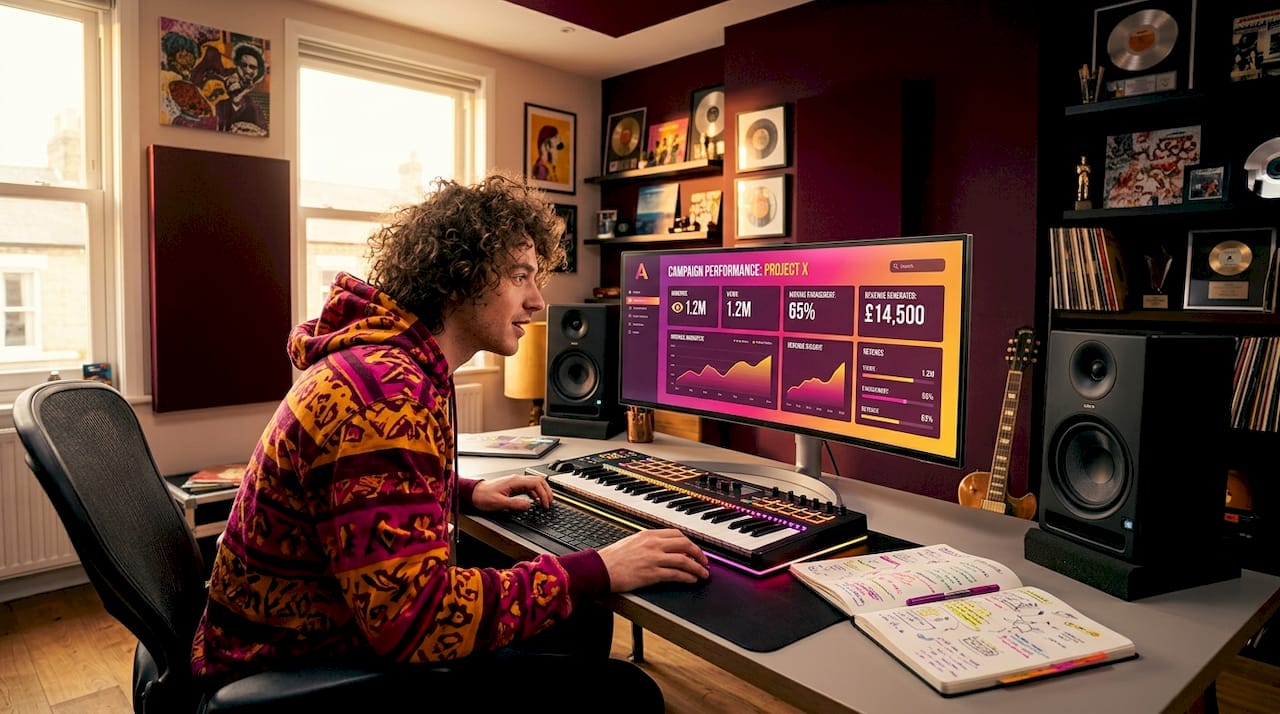
Examples of song ad campaigns for independent musicians
TL;DR:
- Effective song ad campaigns focus on measurable fan actions like streams and followers rather than vanity metrics. Using layered formats, authentic content, and strategic sequencing enhances engagement and conversion rates for independent musicians. Repurposing long videos into clips and emphasizing authenticity significantly improve reach and audience connection.
Promoting your music with video ads is harder than it looks. Most independent musicians know they need to run campaigns, but without concrete examples of song ad campaigns to learn from, it is easy to waste budget on the wrong formats, wrong platforms, or content that viewers skip in three seconds. The good news is that there are real, well-documented campaigns from both major brands and artists that reveal exactly what works and why. This article breaks down four of those campaigns, gives you criteria to judge them, and shows you how to apply the same thinking to your own YouTube promotions.
Table of Contents
- Criteria for evaluating effective song ad campaigns
- Spotify and Craig David’s Just Eat campaign: multi-format audio and video success
- Gap and Young Miko’s spring 2026 campaign: music video as the ad
- Pringles Super Bowl campaign: using YouTube bumpers and TrueView ads to build momentum
- PepsiCo and Cheetos’ Pickle’s Back: entertainment-first music campaign
- Comparing song ad campaign approaches: which fits your music promotion goals?
- Rethinking song ad campaigns: practical wisdom for independent musicians
- Boost your song promotion with professional music video solutions
- Frequently asked questions
Key Takeaways
| Point | Details |
|---|---|
| Measure fan actions | Design song ad campaigns to track new fans and streams, not just reach or clicks. |
| Multi-format approach | Combine audio, video, and display ads to boost audience exposure and conversion. |
| Long-form video ads | Use full-length music videos as ads to reduce skip rates and increase engagement. |
| Funnel strategy | Use short ads to build anticipation followed by longer ads at peak times to maximise impact. |
| Clip distribution | Create many short clips from your main video to increase reach organically and support paid ads. |
Criteria for evaluating effective song ad campaigns
Before studying specific campaigns, you need a clear lens for assessing them. Otherwise, you end up impressed by big numbers without understanding whether the campaign actually worked in a meaningful way.
The most important shift is moving away from vanity metrics. Impressions and clicks tell you very little about whether someone became a fan or streamed your song. Design campaigns for measurable fan-action outcomes such as new fans and streams, not just reach or clicks. That reframe changes everything about how you plan and report on a campaign.
Here are the key criteria to apply when reviewing any song ad campaign:
- Fan-action metrics: New followers, streams, saves, and playlist adds matter more than raw impressions.
- Format variety: Campaigns that use audio, video, and display ads together create multiple touchpoints and improve conversion probability.
- Skip rate and engagement: Long-form video ads with genuine entertainment value reduce skips and increase re-watch behaviour.
- Platform alignment: Different formats serve different purposes. A solid YouTube ad campaign guide will show you how bumper ads build anticipation while TrueView ads extend reach during high-intent moments.
- Attribution clarity: Can you link the ad directly to a measurable outcome? Campaigns with clear attribution are far more useful to learn from.
With these criteria in place, let’s look at real song ad campaigns that illustrate these principles in action.
Spotify and Craig David’s Just Eat campaign: multi-format audio and video success
This campaign is one of the clearest song advertising examples available for independent musicians because it was run transparently through Spotify Ads Manager and its results were published in full. Just Eat partnered with Craig David to promote a branded track, using a layered approach across multiple ad formats simultaneously.
The campaign combined Audio Everywhere, Video Takeover, Sponsored Sessions, and display ads across a five-week period. Rather than running a single ad type and hoping for the best, the team stacked formats to ensure the track reached listeners in different contexts, whether they were commuting with headphones or browsing on a screen.
The results were specific and impressive. The campaign generated 425K impressions, 14.9K clicks, 2.4K new fans, and 9.7K extra streams with a 0.77% listener conversion rate. That conversion figure matters most. It shows that roughly one in every 130 ad exposures turned into a genuine fan action, which is a meaningful benchmark for any emerging artist to aim for.
What made this work was the combination of attribution tools and layered formats. The power of video ads for indie musicians lies not just in reach, but in the ability to trace which formats drove actual fan growth.
Here is how an independent artist can apply the same logic:
- Identify two or three ad formats available on your chosen platform.
- Run them simultaneously over a defined period, not in sequence.
- Track fan-action outcomes weekly, not just total impressions at campaign end.
- Compare conversion rates per format to understand which touchpoints are driving real results.
“The best campaigns don’t shout louder. They show up in more places at the right moment.”
Pro Tip: Even on a small budget, you can run audio and video ads at the same time on Spotify or YouTube by splitting a modest spend across formats. You will gather more useful data than running a single format at full budget.
Gap and Young Miko’s spring 2026 campaign: music video as the ad
This campaign is one of the most instructive creative audio ad examples available right now because it flipped the traditional ad model entirely. Instead of creating a short promotional clip, Gap commissioned a full-length original music video and used that as the advertisement.
Gap’s campaign featured a monochromatic Spanish-language video with 26 dancers and a dedicated dance break to showcase GapSweats authentically. The product was embedded naturally into the visual world of the video rather than held up to the camera like a product shot. That distinction is enormous when it comes to skip rates. Viewers do not skip content they are genuinely enjoying.
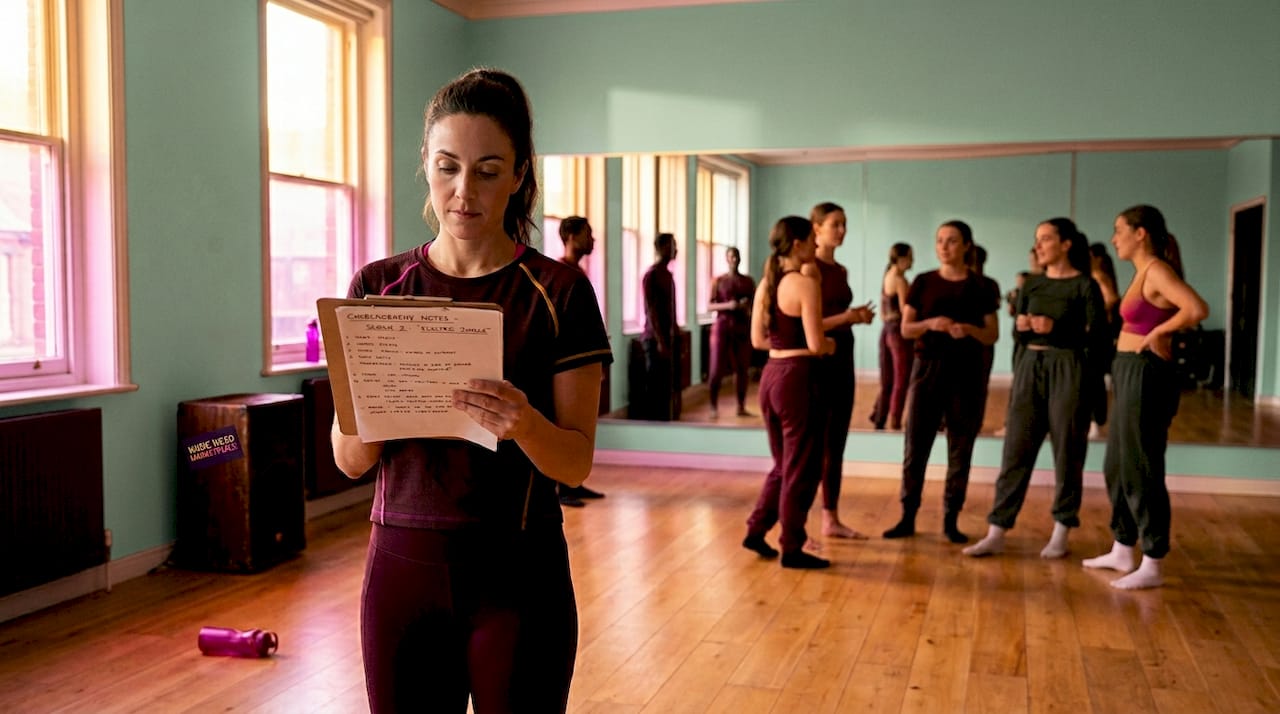
The concept of the “re-watchable middle” is the key insight here. A dance break, a visual punchline, a surprising costume change: these internal payoffs give viewers a reason to watch again. That second watch is where recall and emotional connection solidify.
For independent musicians, this campaign model is particularly useful because you already have the music. The gap between you and this strategy is often just the video itself.
- Long-form music videos used as ads outperform short promotional clips when the content is genuinely entertaining.
- Authentic cultural expression reduces the feeling of being “advertised to”, which increases audience acceptance.
- Natural product or artist identity integration works better than forced mentions or call-to-action overlays.
- A single standout visual moment can become the clip that spreads beyond the ad itself.
Reviewing YouTube music video best practices before production is worth your time. Decisions made on set directly affect how well the video performs as an ad.
Pro Tip: Plan one specific “re-watchable moment” into your music video before you shoot. It does not need to be elaborate. A surprising visual, a tight choreography section, or an unexpected location change can anchor the memory of your whole song.
Pringles Super Bowl campaign: using YouTube bumpers and TrueView ads to build momentum
The Pringles Super Bowl campaign is one of the best jingle ad campaigns to study for its use of YouTube’s sequential ad formats. The brand did not simply run one ad during the game. They built a funnel in the days leading up to it.
Pringles used 6-second bumper ads pre-event and TrueView ads during the game to drive broad awareness and household penetration. The bumpers created curiosity and planted the brand’s audio identity early. The longer TrueView ads, which run before YouTube videos and can be skipped after five seconds, delivered the full story when viewer intent was highest.
For independent musicians promoting a new song or video release, this funnel structure translates directly:
- In the week before your release, run 6-second bumper ads on YouTube with a short clip from your video and a release date. Build anticipation.
- On release day and for the following week, run TrueView ads using the full music video. Target audiences with demonstrated interest in your genre.
- Retarget viewers who watched more than 30 seconds of the TrueView ad with a follow-up bumper encouraging them to save the song or subscribe.
- Track how many viewers moved from the bumper to the full video to a fan action, and refine your targeting based on what worked.
To get this right from the start, a clear guide on how to launch music ads on YouTube will save you significant time and budget.
PepsiCo and Cheetos’ Pickle’s Back: entertainment-first music campaign
This is where musical branding strategies meet long-form storytelling. The Pickle’s Back campaign is not a jingle or a short promotional clip. It is a fully produced branded mini-narrative that happens to feature original music, and it is one of the most creative audio ad examples to emerge in recent years.
The “Pickle’s Back” video is a multi-minute branded mini-heist narrative featuring Megan Thee Stallion and Nickelback, promoted as a music-video-first campaign. The combination of an unexpected pairing, a comedic storyline, and genuine musical content gave the campaign a reason to exist beyond advertising. People watched it because they were entertained, not because they were sold to.
What makes this relevant to independent musicians is the core principle, not the budget. The principle is this: if your video gives people a reason to watch it that has nothing to do with promotion, the promotion works better.
- Emotional engagement and genuine entertainment reduce skip rates more reliably than targeting precision alone.
- Unexpected artist or genre pairings generate curiosity before a single note plays.
- A narrative arc, even a simple one, gives viewers a reason to watch to the end.
- Music-video-first campaigns position the artist as a creator, not an advertiser.
Using YouTube music content to boost reach is about understanding that the platform rewards genuine content consumption, and entertainment-first videos feed that algorithm naturally.
Comparing song ad campaign approaches: which fits your music promotion goals?
| Campaign | Format | Primary goal | Best suited for |
|---|---|---|---|
| Just Eat x Craig David | Multi-format audio and video | Fan growth and stream increases | Artists with a streaming presence wanting measurable fan conversion |
| Gap x Young Miko | Full-length music video as ad | Engagement and authenticity | Artists with strong visual identity ready to invest in production |
| Pringles Super Bowl | Bumpers and TrueView funnel | Timed release awareness | Artists planning a specific drop date with sequential promotion |
| Cheetos Pickle’s Back | Entertainment-first narrative | Emotional connection and memorability | Artists with a compelling story or surprising creative concept |
Choosing the right approach comes down to three things:
- Your budget. Multi-format audio campaigns are accessible at modest spend. Full narrative videos require more upfront investment.
- Your timeline. If you have a release date, the bumper and TrueView funnel is the most structured option.
- Your content. If your music video is genuinely entertaining on its own terms, using it as the ad is the highest-leverage move available to you.
Studying YouTube ad campaign examples for musicians in detail will help you build a clearer picture of which approach maps to your situation.
Rethinking song ad campaigns: practical wisdom for independent musicians
Here is something most articles on this topic will not tell you: the single biggest mistake independent musicians make with song ad campaigns is treating the music video like a one-time broadcast. You upload it, run one TrueView campaign, and wait for results. That approach misses most of the available leverage.
The artists and campaigns that consistently outperform expectations treat long-form content as a source of many pieces, not one finished product. Producing short clips from long-form videos drives decentralised views across platforms and feeds long-form watch time on YouTube, even on a limited budget. A single well-produced music video can generate dozens of clips, each one feeding audiences back to the full version.
The second lesson is about conversions, not views. Views are easy to get and hard to convert. Every campaign in this article that reported meaningful results measured fan-action outcomes like new followers and streams rather than stopping at impressions. Build that measurement into your campaign from day one.
The third lesson is the most counterintuitive: authenticity is a distribution strategy. The Gap and Cheetos campaigns both succeeded partly because the content felt real and culturally connected, not manufactured for an ad slot. When your video genuinely represents who you are as an artist, viewers skip less, share more, and convert at higher rates. That is not a soft creative benefit. It is a hard performance metric.
Boost your song promotion with professional music video solutions
Understanding what makes great song ad campaigns work is one thing. Having the content and tools to execute them is another.

At Music Video Marketplace, you can browse and buy professional 4K music videos built specifically for use in YouTube ad campaigns, so you start with production quality that matches the strategies covered in this article. Once your video is ready, you can use our detailed guide to launch music ads on YouTube step by step, covering every format from bumpers to TrueView. To understand how to distribute and promote your music video effectively across platforms, our promotion resources give you the full picture. With these resources, you are well-equipped to create impactful ad campaigns that get your music heard worldwide.
Frequently asked questions
What are examples of successful song ad campaigns on streaming platforms?
A standout example is the Just Eat and Craig David campaign on Spotify, which used layered audio and video ad formats to generate 2,400 new fans and 9,700 extra streams over five weeks with a 0.77% listener conversion rate.
How can independent musicians use YouTube ads to promote their songs?
Start with short bumper ads in the week before your release to build anticipation, then run TrueView ads during launch to reach broader audiences. Sequential YouTube ad formats like bumpers combined with TrueView are proven to build excitement and scale reach, and long-form music videos used as ads reduce skip rates significantly.
Why is creating multiple short clips from a long-form music video effective for promotion?
Short clips distribute natively across platforms, accumulating reach far beyond what a single upload can achieve. Thousands of clips from one long-form video can generate massive combined view counts while driving audiences back to the full version on YouTube.
What creative strategies increase the effectiveness of song ad campaigns?
Building “re-watchable” moments into your video, such as a dance break or a visual surprise, and ensuring your content feels culturally authentic rather than promotional both directly reduce skip rates and increase engagement. Gap’s spring 2026 campaign used exactly this approach, embedding a dedicated dance break into an authentic, culturally specific video to maximise viewer retention.
Recommended
- Music ad campaigns: expert strategies for real results | Music Video Marketplace Blog
- YouTube ad campaign examples for musicians: proven strategies | Music Video Marketplace Blog
- YouTube ad campaigns for indie musicians: a clear guide | Music Video Marketplace Blog
- Creative video campaign examples for independent musicians | Music Video Marketplace Blog
Read next
 Explicit Content on YouTube: 7–8 Seconds Can Limit Ads for MusiciansSee how musicians can label explicit tracks, prepare clean edits, and choose YouTube ad inventory to protect reach and revenue while preserving the original.
 Frequency capping on YouTube: the setup that actually worksDiscover effective frequency capping on YouTube to optimize ad exposure and enhance your campaign's unique reach. Start testing today!
 How to launch music ads on YouTube: A step-by-step guideLearn how to launch music ads on YouTube with our step-by-step guide. Reach targeted listeners, optimize your budget, and grow your audience effectively!
 Music video ad campaign templates for UK indie artistsExplore effective music video ad campaign templates for UK indie artists, boosting visibility and engagement across platforms like YouTube and TikTok.
Turn the idea into a finished music video.
Drop your track into the Studio and build your visual in minutes.